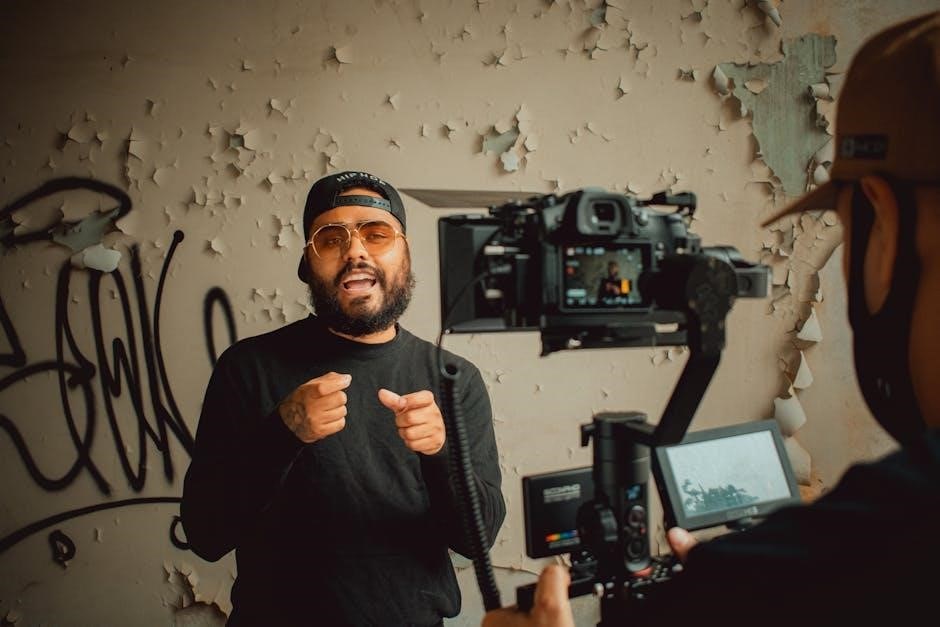
Music Video Treatment Example PDF: A Comprehensive Plan
Crafting a compelling music video treatment PDF requires a structured approach, leveraging templates to effectively communicate your vision and secure project approval.
Understanding the Music Video Treatment
A music video treatment is essentially a detailed proposal outlining your creative vision for a music video. It’s far more than just a summary; it’s a persuasive document designed to convince artists, labels, and producers that your concept is the best way to visually represent their song. Think of it as a blueprint for the entire production, encompassing narrative elements, visual style, and logistical considerations.
This document bridges the gap between initial ideas and the final product. It’s a crucial step in the pre-production phase, ensuring everyone involved is aligned on the project’s direction. A well-crafted treatment demonstrates your understanding of the song, the artist’s brand, and the target audience. It showcases your ability to translate audio into a compelling visual experience, ultimately increasing your chances of getting the green light for the project.
Purpose of a Music Video Treatment
The primary purpose of a music video treatment is to secure approval and funding for your music video concept. It serves as a comprehensive sales pitch, visually and narratively communicating your ideas to stakeholders – artists, record labels, and potential investors. A strong treatment minimizes miscommunication and ensures everyone shares a unified vision before significant resources are committed.
Beyond securing buy-in, it functions as a foundational document for the entire production team. It guides the director, cinematographer, production designer, and editor, providing a clear roadmap for execution. It establishes the aesthetic direction, narrative flow, and overall tone, ensuring a cohesive and impactful final product. Effectively, it transforms abstract ideas into a tangible plan, streamlining the pre-production process.
Key Components of a Treatment Document
A comprehensive music video treatment PDF typically includes several key sections. These begin with a project overview – title and artist – followed by a detailed synopsis outlining the narrative. Crucially, it features character descriptions and casting notes, alongside location scouting details and set design ideas. A robust shot list and scene breakdown are essential, visualizing the video’s flow.
Further components encompass the visual style and aesthetic direction, often supported by a mood board. Technical aspects like camera techniques, lighting design, and editing style are also vital. Don’t forget a budget overview and production schedule, demonstrating feasibility. Finally, legal considerations – copyright and release forms – solidify the document’s professionalism and preparedness.
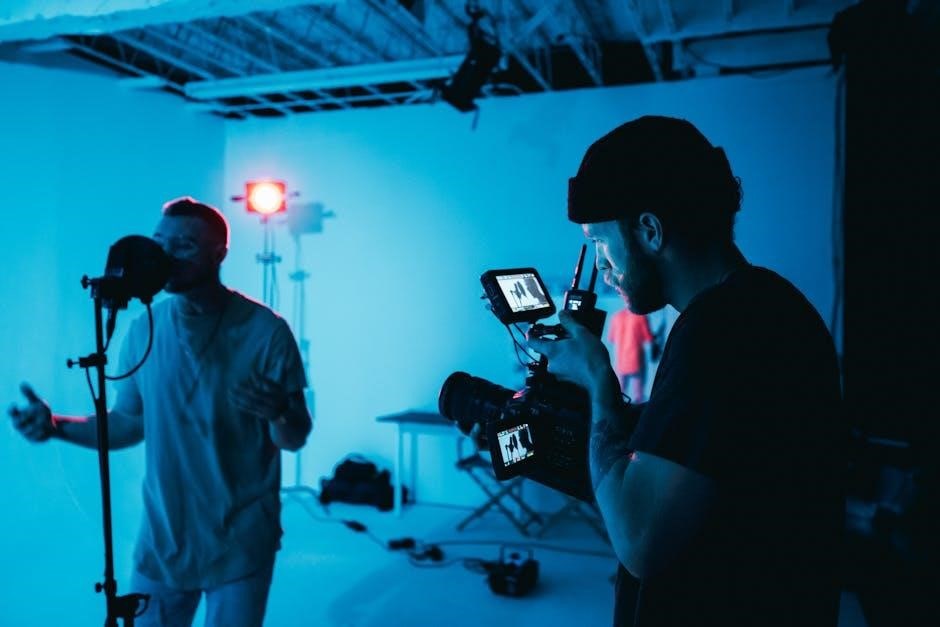
I. Conceptual Foundation
Establishing the core ideas – narrative, visuals, and target audience – forms the treatment’s backbone, guiding creative decisions and overall project direction.
Synopsis & Narrative Outline
The synopsis is a concise overview of the music video’s story, capturing the essence of the concept in a few compelling paragraphs. It should highlight the main characters, setting, and key plot points, without revealing every detail.
Following the synopsis, a detailed narrative outline breaks down the video into specific scenes. This outline should describe what happens in each scene, including the action, dialogue (if any), and emotional tone. Think of it as a roadmap for the visual storytelling, ensuring a clear and coherent narrative flow. A well-crafted outline demonstrates thoughtful planning and a strong understanding of the song’s meaning.
Visual Style & Aesthetic Direction
Defining the visual style is crucial; it establishes the overall look and feel of the music video. This section should detail the intended aesthetic – is it gritty and realistic, or polished and surreal? Consider the color palette, lighting techniques, and overall mood.
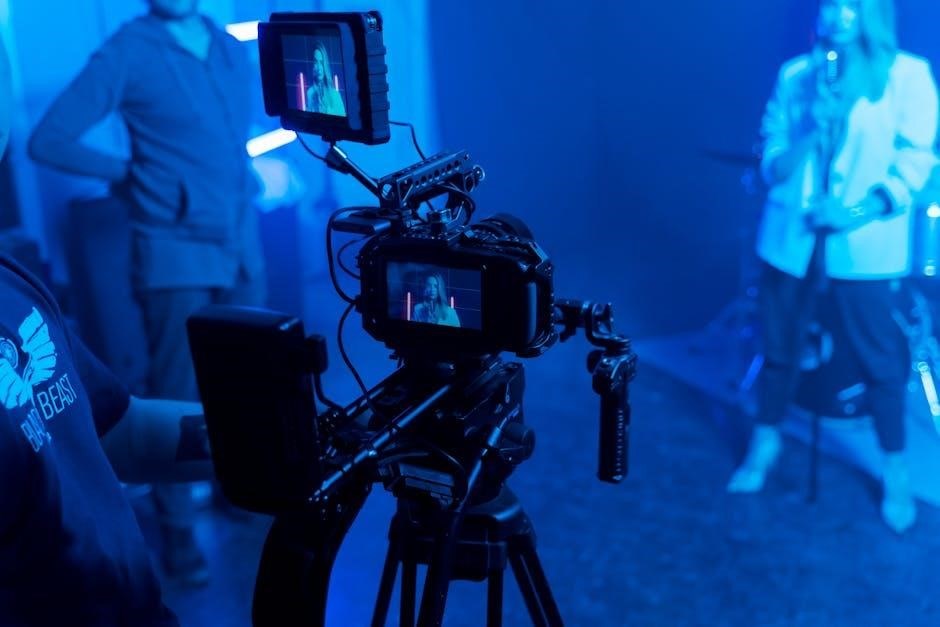
Reference images and mood boards are essential here, providing visual examples of the desired aesthetic. Specify influences – films, photographers, or other music videos – that inform your vision. Describe the wardrobe style, set design, and any special visual effects. A clear aesthetic direction ensures everyone involved understands the visual language of the video.
Target Audience & Overall Tone
Identifying the target audience is paramount; understanding who the video is intended for shapes all creative decisions. Detail the demographics – age, gender, interests – and psychographics – values, lifestyle. This informs the visual style, narrative, and overall message.
The overall tone should align with both the song and the target audience. Is it playful and energetic, or serious and introspective? Describe the emotional impact you want to create. A well-defined tone ensures the video resonates with viewers and effectively communicates the artist’s brand.
II. Detailed Production Breakdown
This section dives into the practicalities, outlining characters, locations, and scene details to transform the concept into a shootable plan.
Character Descriptions & Casting Notes
Detailed character breakdowns are crucial; go beyond basic descriptions. Include age range, physical attributes, personality traits, and their role within the narrative. For each character, specify the desired acting experience level – are you seeking seasoned professionals or fresh faces?
Casting notes should detail the ‘vibe’ you’re aiming for. Instead of simply stating “attractive female,” describe the character’s energy: “enigmatic, confident, with a slightly rebellious edge.” Consider including reference images or mood board snippets to visually communicate your vision to the casting director.
Note any specific skills required – dancing, playing an instrument, or a particular accent. Outline potential casting challenges and suggest alternative approaches. Be mindful of diversity and inclusivity in your casting choices, reflecting a broad representation of individuals. A well-defined character list and casting notes streamline the process, ensuring everyone is aligned on the desired talent.
Location Scouting & Set Design
Detail potential locations with specificity – avoid vague descriptions like “urban street.” Instead, specify “the graffiti-covered alleyway behind the Roxy Theatre, downtown.” Include photographs or sketches of each location, highlighting key features relevant to your vision. Address logistical considerations: accessibility, permits required, and potential noise restrictions.
Set design notes should outline the desired aesthetic. Will the locations be dressed to enhance the narrative, or will you rely on their existing character? Specify props, furniture, and any necessary set modifications. Consider the color palette and how it complements the overall visual style.
Include a preliminary budget estimate for location fees, set dressing, and potential construction. A clear and concise location scouting and set design plan demonstrates your preparedness and attention to detail, crucial for a smooth production.
Shot List & Scene Breakdown
Present a detailed scene breakdown, outlining each scene’s setting, action, and emotional tone. For each scene, create a corresponding shot list, specifying camera angles (close-up, wide shot, etc.), camera movement (pan, tilt, dolly), and approximate shot duration. Visualizing the flow is key.
Include brief descriptions of the desired visual effect for each shot – is it handheld and gritty, or smooth and cinematic? Reference existing music videos or films to illustrate your stylistic intentions. A well-crafted shot list demonstrates your technical understanding and ability to translate your vision into concrete terms.
Remember to synchronize shots with the music’s beat and lyrical content. This section proves you’ve considered the practical execution of your creative ideas, building confidence in your ability to deliver.
III. Technical & Logistical Aspects
Delve into camera techniques, lighting choices, and editing styles, demonstrating how these elements will enhance the video’s narrative and aesthetic.
Camera Techniques & Visual Effects
Detail the intended camera movements – steadicam shots, drone footage, gimbal work, or static angles – and explain how they contribute to the emotional impact of each scene.
Specify any visual effects (VFX) planned, such as compositing, motion graphics, or special effects. Provide a clear description of the VFX style and how they will integrate with the live-action footage. Consider the overall aesthetic and ensure the effects complement the song’s mood.
Mention the lens choices and their impact on the visual perspective. Will you utilize wide-angle lenses for establishing shots or telephoto lenses for intimate close-ups? Clearly articulate the reasoning behind these technical decisions.
Lighting Design & Color Palette
Describe the overall lighting scheme – high-key, low-key, naturalistic, or stylized – and explain how it will enhance the mood and atmosphere of the video. Detail specific lighting techniques, such as three-point lighting, backlighting, or practical lighting.
Outline the color palette and its symbolic meaning. Will you use warm tones to convey intimacy or cool tones to create a sense of isolation? Explain how color grading will be used in post-production to achieve the desired visual style.
Consider the impact of color on the artist’s appearance and the overall aesthetic. A cohesive lighting and color palette is crucial for creating a visually compelling and emotionally resonant music video.
Editing Style & Post-Production Plan
Detail the intended editing style – fast-paced, slow-burn, narrative, or performance-based – and how it will complement the music and visuals. Specify the types of transitions you envision, such as cuts, fades, dissolves, or more creative effects.
Outline the post-production workflow, including color grading, visual effects (VFX), motion graphics, and any other necessary enhancements. Mention the software and techniques that will be used to achieve the desired look and feel.
Include a timeline for post-production, estimating the time required for each stage. A well-defined post-production plan ensures a smooth and efficient completion of the music video, delivering a polished final product.
IV. Presentation & Supporting Materials
Visually enhance your treatment with mood boards, reference images, and music sync notes, clearly demonstrating the project’s aesthetic and rhythm.
Mood Board & Reference Images
A powerful mood board is essential for visually conveying the intended aesthetic of the music video. Include a curated selection of images – photography, film stills, artwork, color palettes – that encapsulate the overall tone, style, and atmosphere; These visuals should directly reflect the narrative and emotional core of the concept.
Reference images should go beyond general inspiration; they should demonstrate specific visual ideas, such as lighting setups, camera angles, costume designs, and set pieces. Show examples of similar music videos or films that embody the desired look and feel. Clearly label each image with a brief explanation of why it’s included and how it relates to your vision. This section isn’t just about pretty pictures; it’s about communicating a precise visual language to the team and stakeholders.
Music Synchronization & Beat Matching
Detailing how the visuals will synchronize with the music is crucial. Outline key moments where specific visual elements – edits, transitions, or actions – will align with prominent beats, lyrical content, or musical shifts. Describe the intended rhythm and pacing of the video, and how it will complement the song’s energy.

Specify whether you envision strict beat matching, more fluid synchronization, or a deliberate contrast between visuals and audio. Include notes on potential editing techniques like jump cuts, slow motion, or time-lapse, and how they will be used to enhance the musicality. A clear explanation of this aspect demonstrates a strong understanding of the song and a thoughtful approach to visual storytelling, ensuring a cohesive and impactful final product.
Budget Overview & Production Schedule
Presenting a realistic budget overview demonstrates professionalism and feasibility. Break down estimated costs for key areas like location fees, equipment rentals, crew salaries, casting, wardrobe, props, visual effects, and post-production. While a precise figure isn’t always necessary at this stage, provide a clear range and highlight potential cost-saving measures.
Alongside the budget, include a preliminary production schedule outlining key phases – pre-production, shooting, and post-production – with estimated timelines for each. Indicate critical deadlines and milestones. This schedule showcases your organizational skills and ability to manage the project efficiently, instilling confidence in potential investors or collaborators. A well-defined plan is essential for a successful music video.
V. Legal & Administrative Considerations
Address crucial aspects like copyright clearance, release forms, location permits, and detailed crew roles to ensure a legally sound production.
Copyright & Licensing Information
Detailed copyright and licensing information is paramount within your music video treatment. Clearly outline the ownership of the song itself – who holds the publishing rights and master recording rights. Specify any samples used, detailing their source and secured clearances.
Address potential licensing needs for locations, props, or any visual elements not originally created for the project. Include a preliminary plan for securing these licenses, outlining estimated costs and timelines.
Furthermore, detail how you will handle performance rights organizations (PROs) like ASCAP, BMI, or SESAC, ensuring proper reporting and royalty payments. A comprehensive understanding and documentation of these legal aspects demonstrate professionalism and mitigate potential future disputes, protecting both the artist and the production team.
This section should also briefly mention artist approval processes regarding the final video’s content and usage rights.
Release Forms & Location Permits
Your treatment should acknowledge the necessity of comprehensive release forms. Detail the plan for obtaining signed waivers from all individuals appearing recognizably in the music video – performers, extras, and bystanders. These forms must cover likeness usage, potential publicity, and any associated risks.
Regarding locations, outline the process for securing necessary permits. This includes identifying relevant authorities (city, county, private property owners) and anticipating potential fees or restrictions. A proactive approach to location permissions avoids costly delays or legal issues during production.
Specify who on the production team will be responsible for managing these crucial documents. Include a preliminary checklist of required forms and permits, demonstrating thorough preparation.
Acknowledging these logistical requirements within the treatment showcases a professional and legally sound production plan.
Crew Roles & Responsibilities
A well-defined crew structure is vital for a smooth production. Your treatment should outline key personnel and their respective responsibilities. This includes the Director, Director of Photography (DP), Production Designer, Wardrobe Stylist, Hair and Makeup Artist, and Editor.
Briefly describe the scope of each role – for example, the DP’s responsibility for visual execution, or the Production Designer’s for creating the aesthetic environment. Indicate if any roles will be combined, particularly on smaller budgets.
Highlight the experience level anticipated for each position, demonstrating a commitment to professional quality. A clear understanding of crew roles assures the artist and label of organized and capable leadership.
Consider including a simple organizational chart to visually represent the reporting structure within the production team.