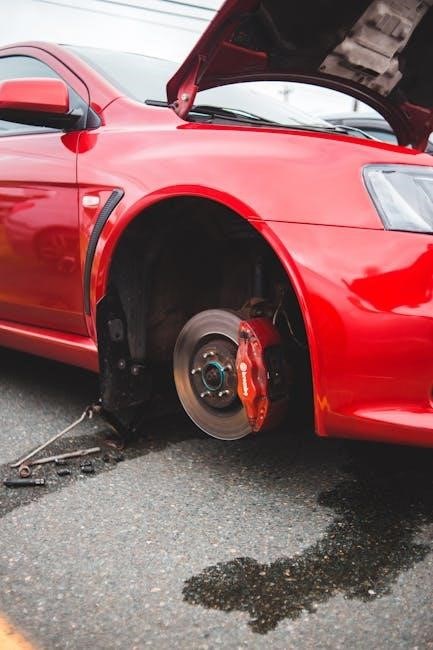
Brake systems are crucial for vehicle safety, evolving from manual reliance to power-assisted technology. Authenticity favors manual brakes in vintage cars, while modern vehicles prioritize power for ease and performance.
Historical Context of Manual Brakes
Manual brakes represent the earliest form of vehicle stopping power, directly linking the pedal to the brake shoes or discs. Initially, significant driver effort was required, demanding substantial leg strength for effective deceleration. As automotive technology progressed, the limitations of purely mechanical systems became apparent, prompting innovation.
Early automobiles relied entirely on this direct mechanical linkage, offering a raw, connected feel but lacking the assistance modern drivers expect. This era prioritized simplicity and reliability, with manual brakes being the standard for decades.
The Rise of Power Brakes
The demand for reduced driver fatigue and improved stopping performance fueled the development of power brakes. Initially an optional upgrade, power brakes utilized vacuum or hydraulic assistance to amplify pedal force. This innovation significantly lessened the physical exertion needed for braking, enhancing driver comfort and control.
As vehicles became heavier and faster, power brakes transitioned from a luxury to a necessity, becoming standard equipment in most modern automobiles, offering consistent performance.

How Manual Brakes Work
Manual brakes rely entirely on direct driver effort, transmitting force through a mechanical linkage to the wheels. Precise modulation is achievable, offering a direct feel.
Mechanical Linkage Explained
Manual brake systems utilize a straightforward mechanical linkage. When the driver presses the brake pedal, it activates a pushrod connected to the master cylinder. This cylinder pressurizes brake fluid, sending it through lines to the wheel cylinders or calipers. These then force the brake shoes or pads against the rotors or drums, creating friction and slowing the vehicle. The system’s simplicity means a direct, unassisted connection between pedal input and braking force, demanding greater physical exertion from the driver.
Driver Effort and Modulation
Manual brakes require significantly more driver effort to achieve effective stopping power. However, proponents argue this fosters a more direct connection and superior modulation. A skilled driver can precisely control braking force, avoiding lock-up and maximizing control, unlike potentially “laggy” power brakes. This demands strength and technique, offering a nuanced feel for road conditions and vehicle dynamics, though it can be fatiguing.

How Power Brakes Work
Power brakes utilize vacuum or hydraulic boosters to amplify driver input, reducing pedal effort. This assistance provides consistent braking, a standard feature in modern vehicles.
Vacuum Boosters: The Core Technology
Vacuum boosters harness engine intake manifold pressure, creating a difference used to assist braking. This system multiplies driver force, significantly lessening pedal effort. Essentially, the engine’s vacuum “pulls” on a diaphragm within the booster, providing the extra power.
This technology is prevalent due to its relative simplicity and effectiveness, offering a substantial improvement over purely manual systems. It’s a cornerstone of power brake functionality in countless vehicles.
Hydraulic Boosters: An Alternative
Hydraulic boosters offer a power brake solution independent of engine vacuum, utilizing power steering pump pressure. This makes them ideal for vehicles – like diesel engines – with limited manifold vacuum. They function by applying hydraulic force to assist pedal application, providing consistent assistance.
While less common than vacuum boosters, they deliver reliable performance and are particularly useful where vacuum isn’t readily available, offering a robust alternative to manual systems.
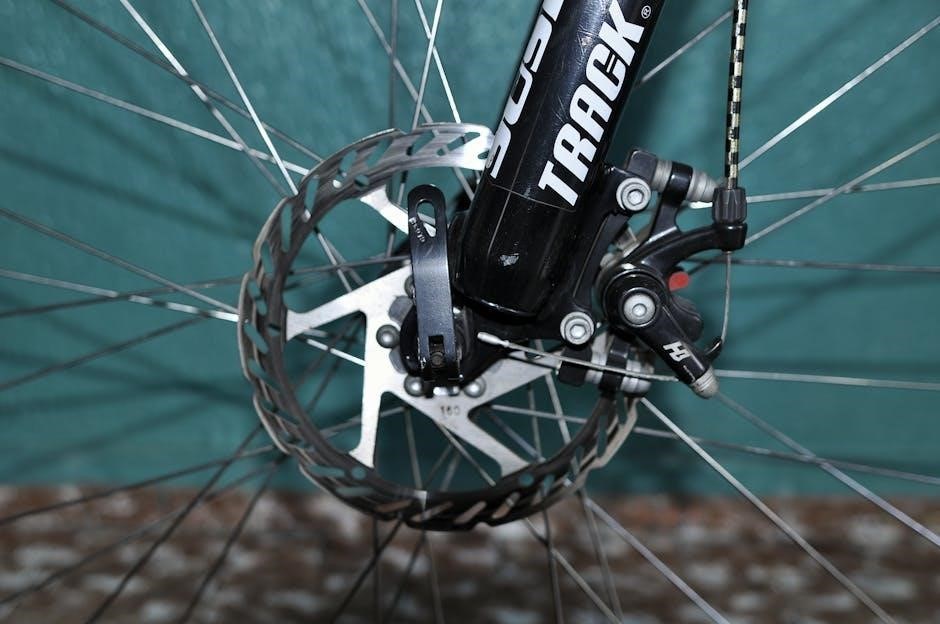
Performance Comparison: Manual vs. Power
Manual brakes can offer superior modulation and a linear feel, while power brakes generally provide shorter stopping distances due to increased clamping force.
Stopping Distance Analysis
Power brakes consistently demonstrate shorter stopping distances compared to manual systems, largely due to the assistance amplifying braking force. However, a skilled driver with a well-maintained manual brake setup can achieve comparable results. The key difference lies in the effort required; power brakes reduce driver workload, enabling quicker, harder applications. Ultimately, consistent performance favors power, but manual systems aren’t inherently inferior with proper technique and calibration.
Braking Feel and Modulation
Manual brakes often provide superior braking feel and modulation, allowing drivers precise control over braking force—some sources claim they are more linear. Power brakes, while convenient, can sometimes feel laggy or less directly connected. This nuanced feedback enables skilled drivers to optimize braking at the limit, particularly beneficial in racing. However, this advantage demands greater driver skill and physical effort for effective control.
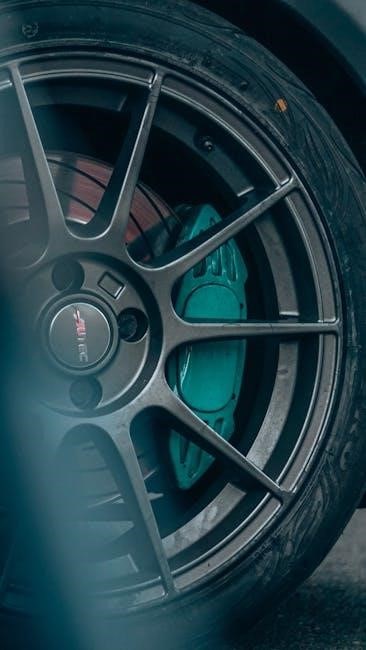
Advantages of Manual Brakes
Manual brakes boast simplicity and reliability, appealing to enthusiasts valuing authenticity. Some drivers prefer the enhanced control and direct braking feel they uniquely offer.
Simplicity and Reliability
Manual brake systems stand out due to their straightforward design, containing fewer components than their power-assisted counterparts. This inherent simplicity translates directly into increased reliability, reducing potential points of failure. Without vacuum boosters or hydraulic systems, there’s less to maintain or break down, making them a favored choice for those prioritizing dependability and ease of repair, particularly in classic vehicle restoration projects.
Enhanced Driver Control (According to Some Sources)
Certain enthusiasts and racers advocate for manual brakes, asserting they offer superior driver control and braking feel. Unlike power brakes, which can feel “laggy” or non-linear, manual systems provide a direct connection, allowing for precise modulation. This direct feedback enables skilled drivers to finely tune braking force, optimizing performance on both the street and track, according to various online forums and experts.
Disadvantages of Manual Brakes
Manual brakes demand significantly more pedal effort, potentially causing difficulty for some drivers, especially during prolonged or emergency stops, as noted in several sources.
Increased Pedal Effort
Manual brake systems necessitate substantial physical exertion from the driver to achieve adequate stopping power. Unlike power brakes, they lack the assistance of a vacuum or hydraulic booster. This translates to a firmer, more demanding pedal feel, requiring greater leg strength, particularly during extended driving or frequent braking scenarios. Drivers may experience fatigue, especially in stop-and-go traffic, due to the consistently high force needed for deceleration.
Potential Difficulty for Some Drivers
Manual brakes can present challenges for drivers accustomed to power-assisted systems, or those with limited leg strength. The increased pedal effort may hinder quick reactions in emergency situations. New drivers, or those less physically capable, might struggle with consistent modulation, potentially leading to less effective braking. This can compromise safety and overall driving confidence, especially during demanding maneuvers.
Advantages of Power Brakes
Power brakes significantly reduce pedal effort, offering consistent performance and enhanced stopping power. They are standard in modern vehicles, integrating seamlessly with safety systems like ABS.
Reduced Pedal Effort
Power brakes dramatically lessen the physical demand on the driver, a key advantage over manual systems. Applying the brakes requires considerably less force, making driving less fatiguing, especially during prolonged periods or in stop-and-go traffic. This is achieved through vacuum or hydraulic boosters, multiplying the driver’s input. For many drivers, particularly those without significant leg strength, this reduced effort is a substantial benefit, enhancing overall control and safety.
Consistent Braking Performance
Power brake systems deliver remarkably consistent stopping power, regardless of repeated applications. Unlike manual brakes, which can exhibit fading with sustained effort, power assistance maintains optimal clamping force. This reliability is vital in emergency situations or demanding driving conditions, ensuring predictable and dependable deceleration. The boosted system compensates for variations in driver strength, providing uniform performance every time.
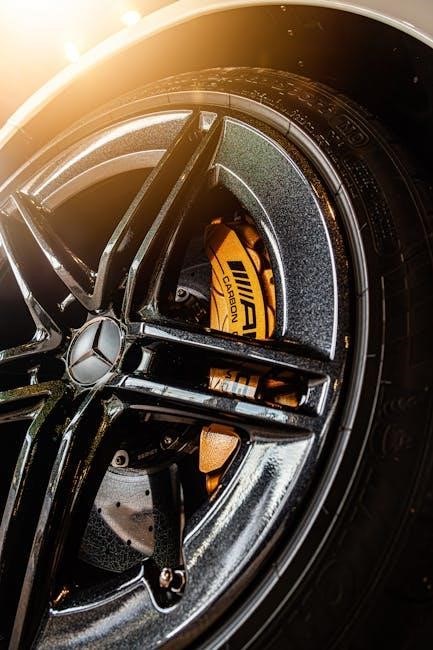
Disadvantages of Power Brakes
Power brake systems introduce complexity, increasing potential failure points and repair costs. They require more maintenance than manual setups, and can sometimes feel laggy or non-linear.
Complexity and Potential for Failure
Power brake systems, while offering assistance, inherently possess greater complexity than their manual counterparts. This intricacy introduces more components susceptible to malfunction – vacuum lines, boosters, and master cylinders all represent potential failure points. Diagnosing issues within a power brake system can be more challenging, demanding specialized knowledge and tools. Consequently, repairs often prove more costly and time-consuming compared to the simpler, more straightforward manual brake designs.
Cost and Maintenance
Power brake systems generally involve a higher initial investment due to the added components. Long-term expenses also tend to be greater, stemming from the potential for more frequent repairs and the cost of replacement parts like boosters and hydraulic lines. Manual brakes, being simpler, typically have lower upfront and ongoing maintenance costs, offering a budget-friendly alternative, though specialized expertise may be needed for vintage systems.
Manual Brakes in Vintage and Classic Cars
Manual brakes maintain a car’s original feel and authenticity. Restoration often prioritizes keeping these systems, though careful consideration is needed for proper functionality.
Maintaining Authenticity
For vintage car enthusiasts, preserving originality is paramount, and manual brakes are a key component of that authenticity. Switching to power brakes alters the driving experience and deviates from the vehicle’s historical design. Restoration projects frequently focus on meticulously rebuilding and maintaining the existing manual system, ensuring correct operation and a genuine classic feel. This dedication honors the vehicle’s heritage and provides a unique connection to automotive history, appealing to purists and collectors alike.
Restoration Considerations
Restoring a manual brake system requires careful inspection of all components – lines, master cylinder, and wheel cylinders – for corrosion or wear. Replacement parts should match original specifications to maintain functionality and appearance. Addressing potential issues like drum brake adjustments is vital. While converting to power brakes is possible, it’s a significant modification impacting value and originality, demanding thorough research and skilled installation to avoid compromising the vehicle’s integrity.
Power Brakes in Modern Vehicles
Power brakes are standard equipment today, seamlessly integrated with ABS and stability control systems, enhancing safety and providing consistent stopping power for all drivers.
Standard Equipment
Power brakes have become ubiquitous in contemporary vehicle manufacturing, essentially replacing manual systems as the default choice for most automakers. This shift reflects a focus on driver convenience and accessibility, as power assistance significantly reduces the physical effort required for braking. Modern safety standards and expectations also contribute to this trend, prioritizing consistent and reliable stopping performance for a broader range of drivers, regardless of their strength or physical capabilities.
Integration with ABS and Other Systems
Power brake systems seamlessly integrate with advanced technologies like Anti-lock Braking Systems (ABS), Electronic Stability Control (ESC), and traction control. These systems rely on the hydraulic pressure generated by the power booster to function effectively, modulating braking force at individual wheels. While manual brakes can be paired with ABS, the integration isn’t as straightforward, potentially impacting responsiveness and overall system efficiency compared to a fully integrated power brake setup.
Manual vs. Power Brakes for Racing Applications
Manual brakes, favored by some racers for direct feel and linearity, offer superior modulation. However, power brakes can provide consistent stopping power during extended track sessions.
Track Performance Considerations
For racing, the debate centers on feel versus consistency. Manual brakes offer a direct connection, allowing skilled drivers precise control and modulation, crucial for late braking and corner entry. Conversely, power brakes maintain consistent clamping force throughout long sessions, reducing fatigue and minimizing inconsistencies caused by driver stamina. While some argue power brakes introduce lag, modern systems mitigate this, providing reliable stopping power lap after lap. Ultimately, the optimal choice hinges on driver preference and the specific demands of the track.
Driver Preference and Skill
Driver skill significantly impacts the suitability of each system. Experienced drivers often prefer manual brakes for their enhanced feel and control, enabling precise modulation and a more connected driving experience. However, power brakes are generally more accessible for less experienced drivers, requiring less physical effort and providing consistent stopping power. The choice reflects a trade-off between direct control and ease of use, aligning with individual capabilities and driving styles.
Cost Comparison: Installation and Maintenance
Power brakes typically involve higher initial costs and ongoing maintenance due to their complexity. Manual systems are generally cheaper to install and maintain, offering long-term savings.
Initial Investment
Power brake systems demand a larger upfront investment due to the inclusion of components like vacuum boosters or hydraulic units, alongside master cylinders designed for assisted operation. Conversely, manual brake setups present a more economical starting point, requiring fewer parts – primarily a master cylinder and the mechanical linkage.
The cost difference extends to labor, as installing a power system is inherently more complex, potentially increasing workshop charges. For classic car restorations, sourcing original manual components can sometimes be costly, but generally remains lower than a full power brake conversion.
Long-Term Expenses
Power brake systems, while convenient, introduce potential long-term costs associated with booster and hydraulic component maintenance or replacement. Vacuum lines can degrade, and hydraulic systems may leak, requiring periodic attention. Manual brakes, boasting simplicity, generally exhibit lower ongoing expenses.
However, manual systems may necessitate more frequent master cylinder replacements due to increased driver effort. Ultimately, the total cost of ownership depends on driving conditions and component quality, but power brakes typically incur higher repair bills.
Choosing the Right System for Your Needs
Selection hinges on vehicle use, driver skill, and preference; manual brakes suit enthusiasts valuing control, while power brakes prioritize ease for daily driving.
Vehicle Type and Usage
Classic and vintage cars often benefit from retaining manual brakes to preserve authenticity, appealing to restorers. For modern daily drivers, power brakes are generally preferred due to reduced pedal effort and consistent performance. Racing applications present a nuanced choice; skilled drivers may favor manual systems for enhanced feel and modulation, while others prioritize the reliability of power-assisted setups. Consider if the vehicle is for show, street use, or track performance when deciding.
Driver Skill and Preference
Experienced drivers often appreciate the direct feedback and control offered by manual brakes, allowing for precise modulation, though requiring greater effort. Conversely, less experienced drivers or those prioritizing convenience may find power brakes easier to manage, reducing fatigue during frequent stops. Ultimately, the “best” system hinges on individual comfort and driving style; some value the linear feel of manual, while others prefer power’s assistance.