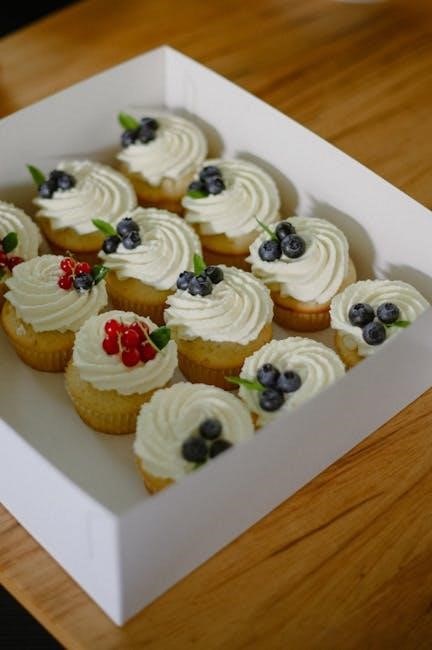
Deceptive Desserts: A Lady’s Guide to Baking Bad unveils a world where culinary artistry meets playful macabre‚ inspiring bakers to defy convention.
Christine McConnell’s creations are labor-intensive‚ yet accessible‚ offering a unique blend of artistry and dark humor within the baking realm.
This book encourages readers to break baking rules‚ crafting desserts that are both visually stunning and delightfully unconventional‚ all without a fortune.
The Rise of Illusionistic Baking
Illusionistic baking‚ the art of creating desserts that convincingly resemble something else‚ isn’t entirely new‚ but its recent surge in popularity is undeniably linked to figures like Christine McConnell and the growing appetite for visually arresting food experiences. Historically‚ bakers have showcased skill through intricate decorations‚ but the focus was often on embellishment rather than outright deception.
McConnell’s work‚ showcased in Deceptive Desserts‚ represents a turning point. She doesn’t simply decorate; she transforms ingredients. A cake isn’t just frosted; it becomes a monstrous creature‚ a decaying mansion‚ or a scene of whimsical horror. This shift towards narrative and illusion taps into a broader cultural trend – a fascination with the uncanny‚ the gothic‚ and the playfully macabre.
Social media platforms have played a crucial role‚ providing a stage for these creations to be shared and celebrated. The visual nature of platforms like Instagram and Pinterest rewards bakers who prioritize aesthetics‚ and deceptive desserts are inherently shareable. The “wow” factor‚ the surprise of discovering a dessert isn’t what it seems‚ drives engagement and inspires others to experiment. This rise isn’t just about skill; it’s about storytelling through sugar and flour.
Christine McConnell’s Unique Approach
Christine McConnell distinguishes herself through a meticulously crafted aesthetic blending Victorian gothic charm with a darkly humorous sensibility. Her approach to deceptive baking isn’t merely about tricking the eye; it’s about building a complete‚ immersive world around her desserts. She doesn’t shy away from labor-intensive techniques‚ embracing complexity as a core element of her artistry.
Unlike bakers focused solely on flawless execution‚ McConnell intentionally incorporates imperfections and a touch of the unsettling. This creates a sense of authenticity‚ as if her creations have a history and a story to tell. From architectural fudge recreations of the Grand Hotel to gelatinous bug infestations‚ each piece is a miniature spectacle.
Her philosophy centers on accessibility‚ proving that stunning illusions don’t require a professional background or a fortune. Deceptive Desserts empowers home bakers to experiment and embrace their creativity‚ encouraging them to question conventional baking norms. McConnell’s style is instantly recognizable‚ a unique blend of skill‚ whimsy‚ and a delightful embrace of the macabre.
Core Concepts of Deceptive Baking
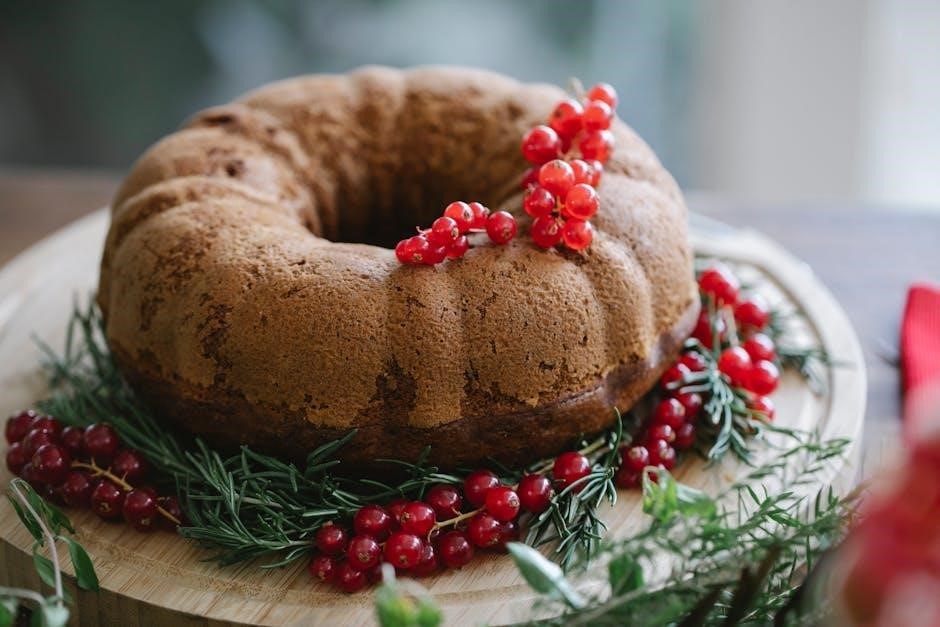
Deceptive baking centers on trompe-l’oeil‚ creating illusions of unexpected forms and textures. Balancing realistic visuals with delicious flavors is key to a successful deception.
It’s about artistry!
The Art of Trompe-l’oeil in Dessert
Trompe-l’oeil‚ French for “deceive the eye‚” is the cornerstone of McConnell’s deceptive baking philosophy. It’s about transforming ordinary desserts into extraordinary illusions‚ challenging perceptions and sparking delight (or perhaps a little unease!). This isn’t simply about decorating a cake; it’s about constructing a believable‚ edible replica of something entirely unexpected.
Consider the Chocolate Squid Gelatin – a seemingly simple recipe that embodies this principle. Or the ambitious Mackinac Island Fudge Architecture‚ meticulously sculpted to resemble the Grand Hotel. These creations aren’t merely sweet treats; they are edible sculptures‚ designed to momentarily fool the viewer.
The skill lies in mastering techniques that mimic textures and forms. From the delicate “grip” of ladyfingers on the Terror-misu to the intricate legs of the Tarantula Cake‚ each detail contributes to the overall illusion. McConnell’s work demonstrates that with patience and creativity‚ even the most outlandish concepts can be brought to life in sugar and flour. It’s a playful subversion of expectations‚ where dessert becomes a medium for visual storytelling.
Balancing Taste and Visual Deception
While visual impact is paramount in deceptive baking‚ Christine McConnell emphasizes that flavor cannot be sacrificed. A stunning illusion falls flat if the dessert doesn’t deliver on taste. The challenge lies in creating recipes where the visual deception doesn’t compromise the deliciousness of the final product.
This requires careful consideration of ingredients and techniques. For example‚ the Peppermint Brownie Bugs and Mint Chip Medusa Cake must taste as delightful as they look unsettling. The White Voodoo Cake‚ despite its macabre aesthetic‚ needs a moist and flavorful crumb.
McConnell’s approach isn’t about masking flavors to enhance the illusion; it’s about finding complementary tastes that work with the visual concept. Even seemingly bizarre ideas‚ like pink-frosted crab cakes‚ are intended to be genuinely enjoyable. The goal is to create a harmonious experience where the eye is tricked‚ but the palate is pleased – a testament to the art of balanced baking.
Signature Recipes & Techniques
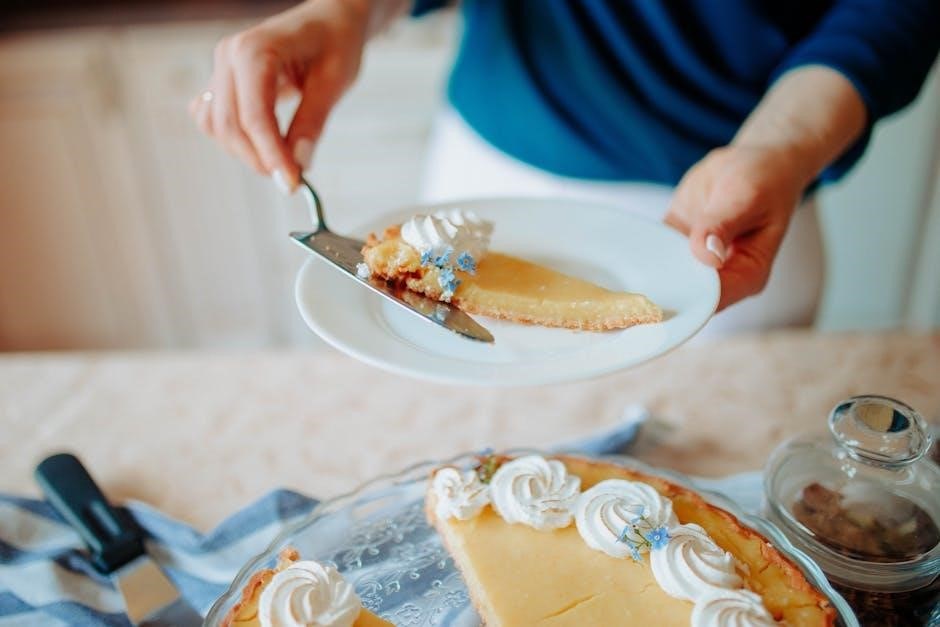
Deceptive Desserts showcases a range of skill levels‚ from the beginner-friendly Chocolate Squid Gelatin to the advanced Mackinac Island Fudge Architecture.
Expect creature creations like Peppermint Brownie Bugs‚ macabre masterpieces like Terror-misu‚ and whimsical illusions such as Serpentine Cinnamon Rolls.
Chocolate Squid Gelatin: A Beginner’s Deception
Chocolate Squid Gelatin serves as an excellent entry point into the world of deceptive baking‚ offering a relatively simple yet strikingly effective illusion. This recipe‚ highlighted as one of the easier creations within Deceptive Desserts: A Lady’s Guide to Baking Bad‚ allows aspiring illusionists to quickly grasp the core principles of transforming ordinary desserts into something extraordinary.
The technique primarily involves skillfully manipulating chocolate gelatin to resemble the tentacles of a squid. While the process isn’t overly complex‚ it demands a degree of patience and attention to detail to achieve the desired realistic effect. The dark‚ rich color of the chocolate further enhances the illusion‚ creating a visually compelling and slightly unsettling presentation.
This recipe isn’t just about the final product; it’s about building confidence and understanding the fundamentals of trompe-l’oeil within the context of dessert making. It’s a fantastic way to experiment with texture and form‚ learning how to use simple ingredients to create a surprisingly convincing deception. It’s a playful introduction to the book’s overall philosophy – that baking can be both delicious and delightfully deceptive.
Mackinac Island Fudge Architecture: Advanced Skill
Mackinac Island Fudge Architecture represents a significant leap in complexity‚ firmly establishing itself as one of the most challenging and time-consuming recipes in Deceptive Desserts: A Lady’s Guide to Baking Bad. This ambitious project demands not only exceptional baking skills but also a degree of architectural understanding and artistic vision.
Christine McConnell famously recreates the iconic Grand Hotel from Mackinac Island entirely out of fudge. This isn’t merely about molding fudge into shapes; it requires meticulous planning‚ precise execution‚ and a considerable investment of time. The structure necessitates a strong internal framework to support the weight of the fudge‚ alongside intricate detailing to accurately capture the hotel’s ornate features.
This recipe is a true test of a baker’s abilities‚ pushing the boundaries of what’s possible with confectionery. It exemplifies the book’s core message: that deceptive baking is an art form‚ demanding dedication‚ creativity‚ and a willingness to embrace complexity. Successfully completing this project is a testament to a baker’s mastery of the craft.
Peppermint Brownie Bugs & Mint Chip Medusa Cake: Creature Creations
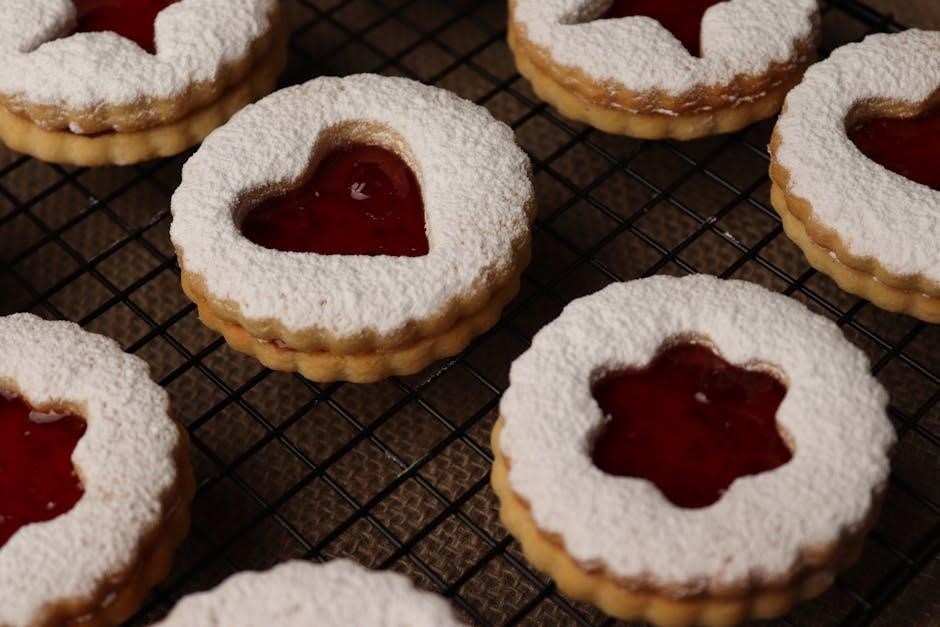
Deceptive Desserts: A Lady’s Guide to Baking Bad truly shines with its imaginative creature creations‚ notably the Peppermint Brownie Bugs and the chilling Mint Chip Medusa Cake. These recipes showcase McConnell’s talent for transforming familiar treats into unsettling‚ yet captivating‚ works of art.
The Peppermint Brownie Bugs aren’t simply decorated brownies; they are meticulously crafted insects‚ complete with legs‚ antennae‚ and a disturbingly realistic sheen. Similarly‚ the Mint Chip Medusa Cake features a head of writhing mint chip “snakes” – effectively‚ frosting – replacing traditional hair.
These creations exemplify the book’s playful macabre aesthetic‚ blending sweetness with a touch of the grotesque. They require a steady hand‚ attention to detail‚ and a willingness to embrace unconventional decorating techniques. These recipes aren’t just about baking; they’re about storytelling through sugar and spice‚ bringing fantastical‚ slightly terrifying creatures to life.
Terror-misu & White Voodoo Cake: Macabre Masterpieces
Deceptive Desserts: A Lady’s Guide to Baking Bad delves into the delightfully dark with recipes like the Terror-misu and the haunting White Voodoo Cake‚ solidifying McConnell’s reputation for macabre masterpieces. These aren’t your grandmother’s desserts; they’re chillingly creative interpretations of classic treats.
The Terror-misu‚ a play on the Italian classic‚ features “creepy ladyfingers” seemingly gripping the sides of the cake‚ adding a sinister touch to a beloved dessert. The White Voodoo Cake is equally unsettling‚ evoking a sense of mystery and perhaps a little dread with its ghostly aesthetic.
These recipes demand a willingness to embrace the unconventional and a flair for dramatic presentation. They showcase McConnell’s ability to transform familiar flavors into visually striking and slightly disturbing experiences. These creations aren’t just about taste; they’re about evoking emotion and challenging perceptions‚ proving that dessert can be both delicious and delightfully spooky.
Serpentine Cinnamon Rolls & Cat Lady Gelatin: Whimsical Illusions
Deceptive Desserts: A Lady’s Guide to Baking Bad doesn’t limit itself to the frightening; it also embraces whimsical illusions‚ exemplified by the Serpentine Cinnamon Rolls and the utterly unique Cat Lady Gelatin. These recipes demonstrate McConnell’s range‚ proving she can be both spooky and sweetly strange.
The Serpentine Cinnamon Rolls aren’t simply baked goods; they’re sculpted into a mesmerizing‚ scaled form‚ resembling a coiled snake. This requires patience and a keen eye for detail‚ transforming a breakfast staple into a work of art. The Cat Lady Gelatin‚ however‚ is in a league of its own.
This gelatin creation is a playful‚ slightly unsettling tribute to… well‚ cat ladies! It’s a testament to McConnell’s creativity and willingness to push boundaries. These recipes highlight the book’s core philosophy: dessert should be fun‚ unexpected‚ and a little bit weird‚ proving that imagination is the key ingredient.
Neopolitan Monster Cake & Tarantula Cake: Iconic Designs
Deceptive Desserts: A Lady’s Guide to Baking Bad truly shines with its iconic designs‚ most notably the Neopolitan Monster Cake and the infamous Tarantula Cake. These aren’t merely desserts; they are statement pieces‚ showcasing Christine McConnell’s mastery of illusion and her delightfully dark aesthetic.
The Neopolitan Monster Cake is a multi-layered spectacle‚ cleverly constructed to resemble a classic movie monster. Its vibrant colors and exaggerated features create a playful yet slightly menacing presence. However‚ it’s the Tarantula Cake that has truly captured the imagination of bakers and horror enthusiasts alike.
This cake features a remarkably realistic‚ oversized tarantula seemingly crawling across a decadent confection. The detail is astonishing‚ from the hairy legs to the menacing eyes. These designs exemplify the book’s spirit – a blend of skill‚ creativity‚ and a touch of the macabre‚ proving that baking can be truly terrifyingly beautiful.

Beyond Cakes: Expanding the Deception
Deceptive Desserts extends beyond cakes‚ featuring delightful fruit salads‚ perfect pies‚ and even “poison” punches—bewitching beverages where appearances are deceivingly delightful.
Beware‚ though; things aren’t always as they seem!
Deceptive Fruit Salads & Pies
Deceptive Desserts doesn’t limit its illusions to cakes; McConnell extends her artistry to fruit salads and pies‚ transforming familiar treats into surprising spectacles.
Imagine a fruit salad where grapes become glistening eyeballs peering from a bed of “grass” made from shredded kiwi‚ or a pineapple transformed into a menacing‚ scaled creature. These aren’t simply arrangements of fruit; they are miniature scenes designed to provoke a double-take and a delighted shudder.
Her pies are equally inventive. A seemingly innocent apple pie might conceal a hidden layer of vibrant purple plum‚ creating a startling cross-section. Or perhaps a peach pie is adorned with meticulously crafted pastry leaves that appear to be crawling with sugar-spun insects.
The key is utilizing the natural shapes and colors of the fruit‚ then subtly manipulating them with clever cutting techniques‚ strategic placement‚ and a touch of edible artistry. McConnell encourages bakers to think outside the box‚ questioning why a fruit salad can’t resemble a miniature swamp or a pie can’t tell a spooky story.
These creations are a testament to the idea that deception can be beautiful‚ playful‚ and utterly delicious‚ proving that even the simplest desserts can be elevated into works of art with a little imagination.
Poison Punches & Bewitching Beverages
Deceptive Desserts extends its mischievous spirit beyond baked goods‚ venturing into the realm of beverages with “poison” punches and bewitching concoctions.
These aren’t actually poisonous‚ of course‚ but McConnell masterfully crafts drinks that appear unsettling‚ playing with color‚ texture‚ and presentation to create a delightfully eerie effect. Think vibrant‚ swirling layers of liquid resembling bubbling potions‚ or punches adorned with “floating” eyeballs made from lychee and blueberries.
Dry ice is a frequent accomplice‚ adding a dramatic‚ smoky ambiance that enhances the illusion of a magical brew. Garnishes are equally important – think gummy worms “drowning” in the punch‚ or candied spiders clinging to the glass rim.
The presentation is key; antique glassware‚ ornate pitchers‚ and even strategically placed “warning labels” contribute to the overall effect. McConnell encourages a theatrical approach‚ transforming a simple party drink into a captivating centerpiece.
These beverages are a playful reminder that things aren’t always as they seem‚ and that a little bit of deception can add a whole lot of fun to any gathering. Beware… things are not always what they seem!
The Philosophy Behind the Bake
Deceptive Desserts champions breaking baking norms‚ fostering creativity and dark humor through playful macabre designs—all achievable without extravagant costs.
It’s about inspiring bakers to create their own rules and embrace the unconventional‚ proving artistry doesn’t require a fortune.
Breaking Baking Rules & Encouraging Creativity
Deceptive Desserts isn’t merely a cookbook; it’s a manifesto urging bakers to dismantle traditional expectations and embrace a world where culinary boundaries blur. McConnell’s approach actively challenges the notion that desserts must be conventionally beautiful or predictably flavored.
The core philosophy revolves around asking “why not?” – why can’t crab cakes masquerade as a pink-frosted confection? This playful questioning unlocks a realm of creative possibilities‚ liberating bakers from the constraints of established recipes and techniques. It’s an invitation to experiment‚ to subvert‚ and to inject personality into every bake.
The book champions the idea that imperfections and a touch of the bizarre are not flaws‚ but rather integral components of artistic expression. Readers are encouraged to view baking as a medium for storytelling‚ using ingredients and techniques to craft narratives that are both whimsical and slightly unsettling. This freedom to deviate from the norm is what truly defines the spirit of Deceptive Desserts‚ empowering bakers to become artists in their own right.
Ultimately‚ McConnell’s work is a celebration of individuality and a reminder that the most memorable creations are often those that dare to be different.
The Playful Macabre & Dark Humor
A defining characteristic of Deceptive Desserts is its embrace of the playfully macabre‚ a stylistic choice that infuses even the sweetest creations with a delightfully unsettling edge. This isn’t about creating genuinely frightening desserts‚ but rather about presenting familiar forms in unexpected‚ slightly twisted ways.
Recipes like the “Terror-misu‚” complete with creepy ladyfingers clinging to the sides‚ and the iconic “Tarantula Cake” exemplify this aesthetic. McConnell skillfully balances the grotesque with the gorgeous‚ resulting in desserts that are both visually arresting and subtly humorous.
The dark humor isn’t malicious; it’s a lighthearted acknowledgement of life’s absurdities‚ expressed through the medium of baking. It’s a wink to the audience‚ suggesting that it’s okay to find beauty in the unconventional and to not take things too seriously.
This playful darkness extends to the conceptualization of desserts‚ such as a “Bridezilla Cake” perfectly capturing a bride’s ego‚ demonstrating a clever use of baking as a vehicle for social commentary and witty observation.
Cost-Effective Deception: Baking Without a Fortune
Despite the intricate and often elaborate designs featured in Deceptive Desserts‚ a core tenet of Christine McConnell’s approach is accessibility – proving that stunning visual deception doesn’t require a limitless budget. The book actively champions creativity over costly ingredients and specialized equipment.
McConnell demonstrates how to achieve remarkable effects using readily available materials and clever techniques. Resourcefulness is key; she encourages bakers to repurpose items and think outside the box‚ transforming ordinary ingredients into extraordinary illusions.
The emphasis isn’t on expensive tools or rare components‚ but on the artistry of execution and the power of imagination. This makes the book particularly appealing to bakers of all skill levels and financial means.
She inspires readers to challenge conventional baking norms‚ asking “Why can’t crab cakes be a delicious pink-frosted dessert?” – a testament to her belief that creativity and ingenuity can overcome budgetary constraints‚ resulting in truly memorable and deceptive treats.