Understanding Acid Reflux & GERD
Acid reflux happens when stomach acid backs up into the esophagus, causing heartburn; GERD is a chronic form, impacting roughly 20% of Americans, requiring dietary adjustments.
What is Acid Reflux?
Acid reflux occurs when stomach acid frequently flows back up into the esophagus, causing irritation. This backwash can lead to a burning sensation in the chest, commonly known as heartburn, and a sour or bitter taste in the mouth. While occasional acid reflux is normal, frequent occurrences can be a sign of a more serious condition.
Other symptoms may include bloating, nausea, and difficulty swallowing. It’s often triggered by certain foods, like citrus fruits or tomatoes, and can be exacerbated by lifestyle factors. Understanding the root causes – like a weakened lower esophageal sphincter – is key to managing symptoms and potentially preventing them through dietary and lifestyle changes. It’s a common digestive discomfort affecting many individuals.
What is GERD?
Gastroesophageal Reflux Disease (GERD) is a chronic digestive disease that occurs when stomach acid frequently flows back into the esophagus. Unlike occasional acid reflux, GERD is a more severe and persistent condition, impacting approximately 20% of the U.S. population. This ongoing acid exposure can damage the lining of the esophagus, leading to complications.
Symptoms of GERD often mirror those of acid reflux – heartburn, regurgitation, and difficulty swallowing – but are more frequent and intense. Long-term GERD can potentially lead to esophageal strictures or Barrett’s esophagus. Management typically involves lifestyle modifications, including dietary changes, and sometimes medication or surgical intervention to control acid production and prevent further damage.

The Core Principles of an Acid Reflux Diet
An acid reflux diet prioritizes low-acid foods, smaller meals, and mindful snacking to minimize stomach acid production and esophageal irritation for symptom relief.
Focus on Low-Acid Foods
Central to managing acid reflux is selecting foods that naturally possess lower acidity levels. This minimizes irritation to the esophageal lining and reduces the likelihood of triggering heartburn. Excellent choices include melons like cantaloupe and honeydew, bananas, and pears. Gentle vegetables such as lettuce, celery, sweet peppers, and green beans are also well-tolerated. Lean protein sources, like chicken breast (skinless) and fish, are preferable to fatty meats.
Oatmeal and whole grains provide fiber, aiding in acid absorption. Cottage cheese and kefir, fermented dairy options, can be soothing. Avoiding highly acidic fruits (citrus) and tomato-based products is crucial. Remember, individual tolerance varies, so careful observation of your body’s response to different foods is key to building a personalized, effective diet.
Smaller, More Frequent Meals
Instead of three large meals, adopting a strategy of smaller, more frequent meals throughout the day can significantly alleviate acid reflux symptoms. Larger meals put increased pressure on the lower esophageal sphincter (LES), potentially causing stomach acid to flow back up. Aim for five to six smaller meals, spaced evenly apart, to maintain consistent digestion and minimize acid production surges.
This approach prevents the stomach from becoming overly full, reducing the risk of heartburn and discomfort. Portion control is vital; focus on consuming moderate amounts at each sitting. Combining this with mindful eating – savoring each bite and eating slowly – further aids digestion and reduces the likelihood of triggering reflux episodes.
Smart Snacking Strategies
When snacking with acid reflux, mindful choices are crucial. Avoid large snacks, especially close to bedtime, as they can exacerbate symptoms. Opt for snacks that are low in fat and acid, such as a small portion of oatmeal or a banana. These provide sustained energy without triggering excessive acid production.
Pairing snacks with a source of fiber can also be beneficial, aiding digestion and promoting fullness. Consider a few whole-grain crackers with a small amount of cottage cheese. Avoid chocolate, caffeinated beverages, and citrus fruits, as these are known triggers. Planning snacks ahead of time helps prevent impulsive, reflux-inducing choices.
Foods to Embrace on an Acid Reflux Diet
Prioritize lean proteins like chicken, alongside oatmeal, non-citrus fruits (bananas, melons), gentle vegetables, and dairy options like cottage cheese and kefir.

Lean Protein Sources
Choosing the right proteins is crucial for managing acid reflux. Opt for lean options that are less likely to trigger symptoms. Chicken breast, specifically without the skin, is an excellent choice, providing essential nutrients without excessive fat. Similarly, turkey breast offers a mild flavor and digestibility. Fish, particularly baked or grilled varieties, are also well-tolerated.
However, preparation matters! Avoid frying proteins, as added fats can exacerbate reflux. Instead, focus on baking, grilling, poaching, or steaming. Be mindful of marinades and seasonings, ensuring they don’t contain acidic ingredients like citrus or vinegar. Portion control is also key; smaller protein servings are generally easier to digest. Incorporating these lean protein sources into your diet can support overall digestive health and minimize acid reflux episodes.
Oatmeal and Whole Grains
Oatmeal and whole grains are fantastic additions to an acid reflux diet due to their high fiber content. Fiber helps absorb stomach acid, reducing the likelihood of it flowing back into the esophagus. Oatmeal, in particular, creates a soothing coating that can protect the esophageal lining. Choose plain oatmeal and avoid adding high-fat or acidic toppings like citrus fruits or excessive sugar.
Beyond oatmeal, whole-grain bread and brown rice are also beneficial. These provide sustained energy and contribute to digestive regularity. However, be mindful of portion sizes, as large meals can trigger reflux. Opt for minimally processed whole grains and avoid those with added sugars or fats. Incorporating these grains can significantly improve your comfort and manage acid reflux symptoms effectively.
Non-Citrus Fruits
Non-citrus fruits offer a sweet relief for those managing acid reflux, providing essential nutrients without the acidity that can exacerbate symptoms. Melons, like cantaloupe and honeydew, are excellent choices due to their low acid content and high water content, which can help dilute stomach acid. Bananas are another gentle option, known for their soothing properties and ability to coat the esophageal lining.
Pears and apples (especially peeled) are generally well-tolerated, but individual reactions can vary. Avoid adding acidic toppings like lemon juice. Remember to consume fruits in moderation, as even low-acid fruits can contribute to reflux if eaten in large quantities. These fruits provide a healthy and flavorful way to support your acid reflux diet.
Vegetables: Gentle Options
Vegetables are crucial for a balanced diet, and several options are particularly gentle on the stomach for those with acid reflux. Leafy greens like lettuce, spinach, and kale are generally well-tolerated and provide essential vitamins. Celery and sweet peppers are also mild and can be enjoyed without triggering symptoms. Broccoli, green beans, and asparagus are good choices, but should be eaten in moderation as they can cause gas in some individuals.
Avoid cruciferous vegetables like cabbage and cauliflower if they worsen your reflux. Steaming or boiling vegetables is preferable to frying, as it reduces fat content. Incorporating these gentle vegetables into your diet supports overall health while minimizing acid reflux triggers.
Dairy Choices: Cottage Cheese & Kefir
Dairy can be a tricky area for those with acid reflux, but certain options are more tolerable than others. Cottage cheese, particularly low-fat varieties, is often well-received due to its lower acidity compared to other dairy products. Kefir, a fermented milk drink, is another excellent choice. The fermentation process introduces probiotics, which can aid digestion and potentially reduce reflux symptoms.
However, full-fat dairy and highly processed dairy products should generally be avoided. Monitor your body’s response to cottage cheese and kefir, as individual tolerances vary. These can be incorporated as part of a balanced diet, offering calcium and protein without exacerbating acid reflux.
Foods to Avoid or Limit
Limit citrus, tomatoes, chocolate, caffeine, alcohol, and high-fat foods as they commonly trigger or worsen acid reflux symptoms, causing discomfort;
Citrus Fruits and Juices
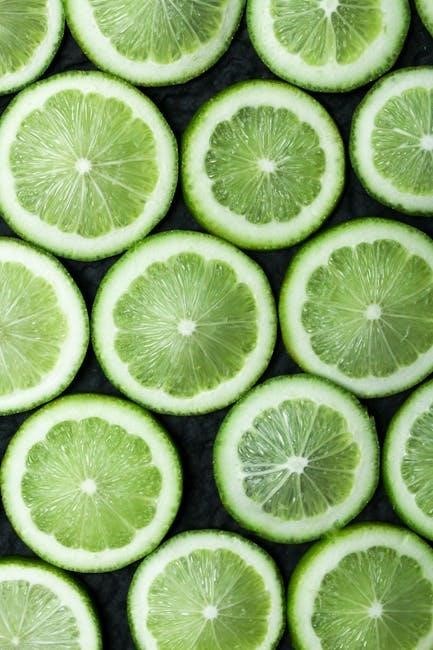
Citrus fruits, including oranges, grapefruits, lemons, and limes, are generally best avoided or significantly limited when managing acid reflux and GERD symptoms. Their high acidity directly contributes to esophageal irritation, exacerbating heartburn and discomfort. This is because the acidic content can relax the lower esophageal sphincter (LES), allowing stomach acid to flow back up.
Similarly, citrus juices – orange juice, grapefruit juice, and even lemon water – carry the same risk. While some individuals may tolerate small amounts, it’s crucial to monitor your personal response. Opting for lower-acid fruit alternatives, like bananas or melons, is often a more comfortable choice. Careful consideration of your tolerance level is key when navigating dietary adjustments for acid reflux.
Tomatoes and Tomato-Based Products
Tomatoes and products derived from them – including tomato sauce, ketchup, salsa, and even pizza sauce – are frequently identified as trigger foods for acid reflux and GERD. Like citrus fruits, tomatoes possess a naturally high acidity level, which can irritate the esophageal lining and worsen heartburn symptoms. This acidity can also contribute to the relaxation of the lower esophageal sphincter (LES).
Even cooked tomatoes, while slightly less acidic than raw, can still pose a problem for sensitive individuals. When following an acid reflux diet, it’s often recommended to minimize or eliminate these items. Exploring alternative flavor bases, such as those made with milder vegetables, can provide satisfying substitutes without triggering discomfort. Individual tolerance varies, so mindful consumption is essential.
Chocolate and Fatty Sweets
Chocolate, a beloved treat, unfortunately often exacerbates acid reflux symptoms. Its high fat content delays stomach emptying, increasing the likelihood of acid backing up into the esophagus. Furthermore, chocolate contains methylxanthines, compounds that can relax the lower esophageal sphincter (LES), allowing stomach acid to flow upwards. Both dark and milk chocolate can be problematic, though darker varieties may present a greater challenge due to their higher cocoa content.
Similarly, fatty sweets like cakes, cookies, and pastries contribute to delayed gastric emptying and LES relaxation. These high-fat foods stimulate acid production, intensifying heartburn. Opting for smaller portions or choosing lower-fat dessert alternatives can help manage symptoms. Careful consideration of ingredients is crucial when navigating an acid reflux diet.
Caffeine: Coffee, Tea, and Soda
Caffeine, found abundantly in coffee, tea, and soda, is a known trigger for acid reflux. It can increase stomach acid production and relax the lower esophageal sphincter (LES), the muscle that prevents stomach acid from flowing back into the esophagus. This relaxation allows acid to irritate the esophageal lining, causing heartburn and discomfort. The impact varies individually; some are more sensitive than others.
Decaffeinated options may offer some relief, but even these can sometimes contribute to symptoms. Consider gradually reducing caffeine intake to assess its effect on your acid reflux. Exploring herbal teas or water as alternatives can be beneficial. Monitoring your body’s response is key to managing symptoms effectively within a personalized diet plan.
Alcoholic Beverages
Alcoholic beverages, regardless of type – beer, wine, or liquor – frequently exacerbate acid reflux symptoms. Alcohol relaxes the lower esophageal sphincter (LES), the crucial muscle preventing stomach acid from backing up into the esophagus. This relaxation allows for increased acid exposure, leading to heartburn, regurgitation, and potential esophageal irritation. Furthermore, alcohol can directly irritate the stomach lining, boosting acid production.
The higher the alcohol content, the greater the potential for triggering symptoms. If you choose to consume alcohol, moderation is vital. Pairing it with food may help, but it doesn’t eliminate the risk. Consider non-alcoholic alternatives to enjoy social occasions without compromising your digestive health and overall well-being.
High-Fat Foods
High-fat foods are significant triggers for acid reflux and GERD symptoms. They delay stomach emptying, increasing the time acid remains in the stomach and the likelihood of backflow into the esophagus; Fatty meals also promote the release of cholecystokinin, a hormone that relaxes the lower esophageal sphincter (LES), further contributing to acid reflux. Common culprits include fried foods, fatty cuts of meat, full-fat dairy products, and rich sauces.
Opting for leaner protein sources and lower-fat cooking methods can significantly reduce symptoms. Portion control is also key; even healthy fats should be consumed in moderation. Prioritizing baked, grilled, or steamed options over fried foods is a beneficial dietary adjustment for managing acid reflux effectively.

Hydration and Meal Timing

Adequate water intake is crucial, but avoid excessive fluids with meals. Don’t eat within 2-3 hours of bedtime to minimize nighttime acid reflux episodes.
The Role of Water Intake
Maintaining proper hydration is a cornerstone of managing acid reflux and GERD symptoms, yet the timing of water consumption is key. While drinking plenty of water throughout the day helps dilute stomach acid and aids digestion, excessive fluid intake during meals can actually worsen reflux. This is because it can distend the stomach, increasing pressure on the lower esophageal sphincter (LES).
Aim to drink water between meals rather than with them. Sipping water slowly throughout the day is preferable to gulping large amounts at once. Some sources suggest avoiding large volumes of any liquid alongside food. Water helps neutralize stomach acid, offering relief from heartburn, but strategic timing maximizes its benefits and minimizes potential aggravation of symptoms. Prioritize water as your primary beverage choice, avoiding sugary drinks and excessive caffeine.
Avoid Eating Before Bed
One of the most impactful lifestyle changes for managing acid reflux and GERD is avoiding food consumption in the hours leading up to bedtime. When you lie down shortly after eating, gravity no longer assists in keeping stomach acid where it belongs – in the stomach. This significantly increases the likelihood of acid flowing back into the esophagus, causing nighttime heartburn and disrupting sleep.
Ideally, finish your last meal at least 2-3 hours before lying down. This allows sufficient time for your stomach to begin emptying its contents. Smaller, lighter evening meals are also recommended. Avoid high-fat foods before bed, as they take longer to digest and exacerbate reflux. Elevating the head of your bed can further minimize nighttime symptoms, complementing this dietary practice.

Creating a Personalized Acid Reflux Diet Plan (PDF Resources)
PDF guides offer structured acid reflux diet plans; consulting a healthcare professional ensures a tailored approach, addressing individual needs and symptom triggers.
Finding Reliable PDF Guides
Locating trustworthy acid reflux diet PDF resources requires careful consideration. Many websites offer downloadable guides, but verifying the source’s credibility is crucial. Look for PDFs originating from reputable medical institutions, registered dietitians, or gastroenterology associations. These sources typically base their recommendations on scientific evidence and clinical guidelines.
Be wary of guides promoting restrictive or fad diets, as these may lack essential nutrients. A good PDF will outline a balanced approach, focusing on food choices that minimize acid production and esophageal irritation. Check for guides that detail specific foods to embrace and avoid, along with meal timing suggestions. Prioritize resources that emphasize personalization, acknowledging individual tolerances and symptom variations. Always cross-reference information with your healthcare provider for tailored advice.
Working with a Healthcare Professional
While acid reflux diet PDF guides offer valuable information, they shouldn’t replace personalized medical advice. Consulting a doctor or registered dietitian is essential for creating a safe and effective plan. They can accurately diagnose your condition – distinguishing between occasional reflux and GERD – and rule out other potential causes of your symptoms.
A healthcare professional can help identify your specific trigger foods through elimination diets or food journaling. They’ll consider your medical history, medications, and lifestyle factors to tailor dietary recommendations. They can also advise on appropriate portion sizes, meal timing, and hydration strategies. Remember, self-treating can be risky; professional guidance ensures your diet supports overall health and effectively manages your acid reflux.