
Navigating mobility scooter issues requires a systematic approach, addressing common problems like battery failures, control malfunctions, and steering difficulties for optimal performance.
Mobility scooters, while incredibly beneficial for independence, aren’t immune to experiencing operational hiccups. Understanding potential issues is crucial for users and caregivers alike. Common problems frequently revolve around the battery, often manifesting as reduced range or complete failure to charge. Electrical components are also susceptible to damage, particularly from water exposure or worn wiring, leading to power loss or erratic behavior.
Motor malfunctions can prevent movement, while control panel and joystick issues hinder steering and overall scooter operation. Unexpected shutdowns and unusual noises are further indicators of underlying problems. Proactive troubleshooting and preventative maintenance are key to ensuring a safe and reliable experience, extending the scooter’s lifespan and maximizing user freedom.

Common Problems & Quick Diagnosis
Initial diagnosis often points to battery issues – check connections and charging status. If the scooter lacks power, inspect fuses for blows, a frequent occurrence when tackling inclines or rough terrain. Unusual noises could indicate loose components or motor problems; pinpointing the source is vital. Steering difficulties might stem from uneven tires or misalignment, requiring inspection and adjustment.
A scooter that shuts off unexpectedly suggests electrical faults or battery depletion. Quick checks include verifying the key switch, control panel display, and joystick responsiveness. Remember, consistent preventative maintenance significantly reduces the likelihood of these common issues, ensuring smoother and safer operation. Don’t hesitate to consult a professional for complex problems.
Battery Problems: The Most Frequent Issue
Battery issues represent the most common challenge with mobility scooters, leading to reduced speed, range, and potential complete failure. Degradation is often irreversible; once capacity diminishes significantly, replacement becomes necessary. Proactive steps are crucial for preservation. Regularly charging the batteries, even during periods of non-use, is paramount – avoid letting them sit for weeks uncharged.
Inspect battery connections for corrosion and ensure the charger is functioning correctly. A faulty charger or charging port can prevent proper charging. Consider the battery’s age; typical lifespan is 2-3 years with consistent use. Ignoring these signs can lead to unexpected breakdowns and inconvenience, so address battery concerns promptly.
Identifying Battery Degradation
Recognizing battery degradation early is key to preventing unexpected scooter failures. A noticeable decrease in range after a full charge is a primary indicator. If the scooter travels significantly shorter distances than usual, the battery’s capacity is likely diminishing. Observe charging times; if the battery takes longer to reach a full charge, it suggests internal resistance is increasing.
Pay attention to performance on inclines. A degraded battery will struggle with hills, exhibiting reduced power and speed. Visually inspect the battery casing for swelling or damage. These are clear signs of internal issues. Consistent monitoring of these factors will help determine when battery replacement is necessary for continued reliable operation.
Maintaining Battery Health: Charging Practices
To maximize battery lifespan, consistent and proper charging is crucial. Avoid prolonged periods of inactivity without charging; batteries dislike being left discharged for weeks. Regularly topping off the charge, even during infrequent use, helps maintain optimal capacity; Utilize the charger specifically designed for your scooter’s battery type – incorrect chargers can cause damage.
Always charge the battery in a well-ventilated area, away from extreme temperatures. Avoid “quick charging” unless absolutely necessary, as it can generate heat and accelerate degradation. Once fully charged, disconnect the battery to prevent overcharging. Following these practices will significantly extend the life and performance of your mobility scooter’s power source.
Replacing Mobility Scooter Batteries
When battery degradation is irreversible, replacement becomes necessary. First, disconnect the scooter from the charger and ensure it’s powered off. Carefully remove the old batteries, noting the terminal connections (positive and negative) to avoid errors during reinstallation. Always dispose of old batteries responsibly, following local regulations for hazardous waste.
Install the new batteries, ensuring correct polarity – connecting them backwards can cause severe damage. Securely fasten the batteries in their designated compartment. After installation, charge the new batteries fully before initial use. Consider upgrading to a higher capacity battery for extended range, if compatible with your scooter model.
Power Loss & Electrical Issues
Sudden power loss or erratic scooter behavior often points to electrical problems. A frequent culprit is a blown fuse, typically caused by overloading the scooter, such as ascending steep hills or navigating rough terrain. Regularly check and replace fuses with the correct amperage rating to prevent further damage.
Water damage to electrical components can also induce malfunctions, so protect your scooter from rain and moisture. Inspect worn or damaged wiring for breaks or corrosion, as this can lead to intermittent power delivery and inconsistent performance. Addressing these electrical issues promptly is crucial for safe operation.

Blown Fuses: Causes and Replacement
Blown fuses are a common response to electrical overloads within the mobility scooter system. These often occur when tackling inclines or traversing uneven ground, demanding excessive power from the motor. Identifying a blown fuse is usually straightforward – visually inspect the fuse for a broken filament or discoloration.
Replacement requires a fuse of the exact same amperage rating; using a higher rating can cause severe damage. Always disconnect the scooter’s power before replacing a fuse. Locate the fuse box (consult your owner’s manual), remove the old fuse, and insert the new one securely.
Water Damage to Electrical Components
Water poses a significant threat to a mobility scooter’s electrical system, potentially causing power loss or erratic behavior. Even seemingly minor exposure can lead to corrosion and short circuits within the wiring, control panel, or motor controller. Prevention is key – avoid operating the scooter in heavy rain or through deep puddles.
If water damage occurs, immediately disconnect the battery. Allow all components to thoroughly dry before attempting to power on the scooter. Consider professional inspection and cleaning of affected parts to prevent long-term issues and ensure safety. Ignoring water damage can lead to costly repairs.
Worn or Damaged Wiring

Over time, the constant flexing and vibration during operation can cause mobility scooter wiring to become frayed, cracked, or disconnected. This leads to intermittent performance issues, uneven power delivery, or complete failure. Regularly inspect all visible wiring for signs of wear and tear, paying close attention to areas near moving parts.
If damaged wiring is detected, it’s crucial to replace it immediately. Attempting to repair damaged wires with tape is a temporary fix and poses a safety hazard. Professional repair or replacement is recommended to ensure a secure and reliable connection, restoring optimal scooter functionality and preventing potential electrical issues.
Motor Issues: When Your Scooter Won’t Move
If your mobility scooter refuses to move, the motor is a prime suspect. Initial troubleshooting involves verifying the battery is fully charged and the key is correctly positioned. A blown fuse, often triggered by excessive load during uphill climbs or rough terrain, can also prevent motor operation. Inspect and replace any blown fuses with the correct amperage rating.
Further investigation requires assessing the motor itself for potential failures. Listen for unusual noises or a lack of response when the throttle is engaged. If the motor remains unresponsive, professional diagnosis and repair or replacement are typically necessary, ensuring safe and reliable mobility.
Troubleshooting Motor Functionality

Begin by checking the motor’s wiring connections, ensuring they are secure and free from corrosion. A multimeter can test for voltage reaching the motor when the throttle is activated; a lack of voltage indicates an issue upstream, potentially with the controller or wiring harness. Listen closely for any clicking sounds, which might suggest a faulty motor brush or internal component.
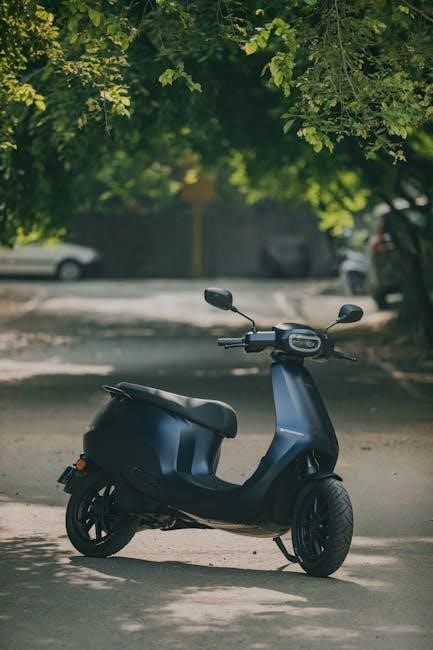
Carefully examine the motor brushes for wear and tear, replacing them if necessary. If the motor still fails to respond, consider a professional assessment to diagnose more complex internal failures, such as a damaged armature or field winding.
Identifying Potential Motor Failures
Several signs point towards potential motor failures in a mobility scooter. A gradual loss of power or speed, especially when going uphill, is a common indicator. Unusual noises, like grinding or squealing, emanating from the motor housing, suggest internal wear or damage. If the motor feels excessively hot to the touch during or after operation, it could signify overheating due to internal friction.
Complete motor failure, where the scooter doesn’t move at all, is a clear sign of a significant problem. A burning smell often accompanies severe motor damage. Regular inspection and prompt attention to these symptoms can prevent further complications.
Control Panel & Joystick Problems
Issues with the control panel and joystick can significantly impair scooter operation. A common problem is joystick unresponsiveness, where the scooter doesn’t react to joystick movements, or reacts erratically. This could stem from a loose connection, damaged wiring, or a faulty joystick module. Control panel display errors, such as a blank screen or garbled characters, indicate potential issues with the display itself or the underlying circuitry.
Intermittent power to the control panel or flickering lights are also warning signs. Carefully check all connections and consider professional diagnostics if these problems persist, as they may indicate more complex electrical faults.
Joystick Responsiveness Issues
When a mobility scooter’s joystick becomes unresponsive, or exhibits erratic behavior, it’s crucial to investigate systematically. Begin by checking the joystick’s physical connection to the control panel, ensuring it’s secure. Inspect the wiring harness for any visible damage, such as frayed wires or loose connectors. A common cause is debris accumulation within the joystick mechanism itself, hindering smooth operation.
Try gently cleaning around the joystick base. If the problem persists, the joystick module itself may be faulty and require replacement. Remember to consult the scooter’s manual for specific troubleshooting steps and safety precautions.
Control Panel Display Errors
Encountering errors on your mobility scooter’s control panel display can indicate a range of issues, from minor glitches to more serious electrical problems. Start by attempting a simple reset – turn the scooter off and then back on. If the error persists, consult the scooter’s manual to decipher the specific error code displayed. Many scooters feature diagnostic codes that pinpoint the source of the problem.
Check the battery voltage, as low voltage can sometimes trigger false error messages. If the display remains faulty, there might be an internal issue with the control panel itself, potentially requiring professional repair or replacement.
Steering & Handling Difficulties
Experiencing uneven steering or a tendency for the scooter to pull to one side can be concerning. Begin by inspecting the tires for proper inflation – uneven pressure significantly impacts handling. Next, perform a wheel alignment check; misaligned wheels are a frequent cause of steering issues. Ensure the front wheels are pointing straight ahead and adjust as needed, following the manufacturer’s instructions.
Also, examine the steering column and linkages for any signs of damage or looseness. Worn or damaged components can contribute to erratic steering. If problems persist, professional inspection is recommended to rule out more complex mechanical faults.
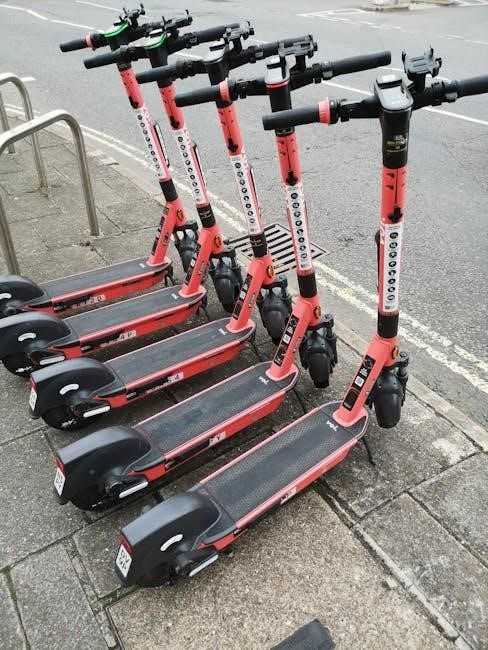
Uneven Steering or Pulling to One Side
If your mobility scooter consistently drifts or pulls to one direction, start with a simple tire pressure check. Uneven inflation is a primary culprit, causing resistance on one side. Verify both tires are inflated to the manufacturer’s recommended PSI. Next, carefully inspect the tires themselves for wear or damage – a damaged tire can create drag.
Also, examine the wheel bearings for smoothness; roughness indicates wear. Finally, assess the steering mechanism for any binding or obstructions. If the issue remains, a professional alignment might be necessary to restore balanced handling and ensure safe operation.
Wheel Alignment Checks
Performing regular wheel alignment checks is crucial for maintaining smooth and predictable steering. Begin by finding a level surface and ensuring the scooter is switched off. Visually inspect the wheels to confirm they are parallel to each other and perpendicular to the scooter’s frame. Use a straight edge or measuring tape to verify equal distances between the wheels and the frame on both sides.
Any significant discrepancies indicate misalignment. While minor adjustments might be possible, substantial misalignment typically requires professional attention. Proper alignment minimizes tire wear, improves handling, and enhances overall scooter stability and safety.
Unusual Noises During Operation
Unexpected sounds emanating from your mobility scooter during operation warrant immediate investigation. Squealing, grinding, or clicking noises often signal mechanical issues. A rattling sound could indicate loose components, while humming might point to motor or gear problems. Carefully listen to pinpoint the noise’s origin – is it coming from the wheels, motor, or elsewhere?
Ignoring unusual noises can lead to more significant damage. If you’re unable to identify the source or the noise persists, consult a qualified technician. Prompt attention prevents minor issues from escalating into costly repairs, ensuring continued safe and reliable scooter use.
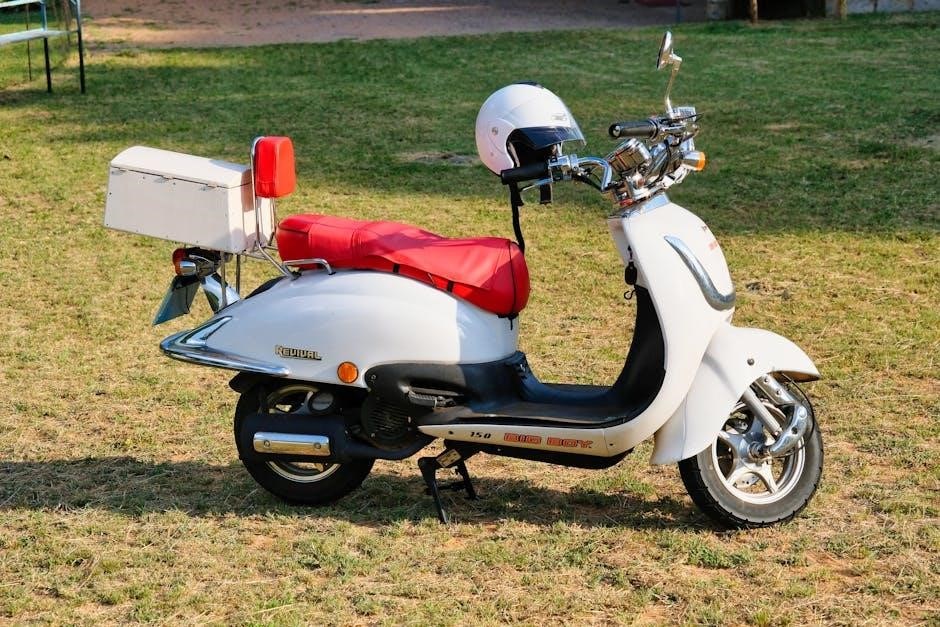
Identifying the Source of the Noise
Pinpointing the origin of an unusual scooter noise is crucial for effective troubleshooting. Begin by carefully listening while the scooter is in motion, noting when the sound occurs – during acceleration, braking, or turning. Systematically check each component: wheels for rubbing, the motor for humming, and the chassis for rattles.
A methodical approach helps isolate the problem. Gently shake wheels to detect looseness. Inspect the motor housing for vibrations. If the noise seems internal, professional diagnosis is recommended. Don’t attempt repairs beyond your skill level; safety is paramount. Accurate source identification streamlines the repair process.
Scooter Shutting Off Unexpectedly
Sudden power loss during operation is a concerning issue demanding immediate investigation. A primary suspect is often the battery; check its charge level and connections. Blown fuses, frequently caused by overloading on inclines or rough terrain, should also be inspected and replaced if necessary. Examine the wiring harness for loose connections or damage, as these can interrupt power flow.
Water damage to electrical components can induce erratic behavior, including unexpected shutdowns. If the scooter has been exposed to moisture, a professional inspection is vital. Ignoring this issue could lead to further damage or safety hazards. Prioritize safety and thorough diagnostics.
Investigating Sudden Power Loss
When experiencing abrupt power loss, begin with the battery – verify its charge and inspect terminals for corrosion or loose connections. Next, meticulously check the main fuse; a blown fuse indicates an overload or short circuit. Examine the wiring harness for any visible damage, fraying, or disconnected wires, paying close attention to areas prone to wear.
Consider potential water damage, especially if the scooter was used in damp conditions. Electrical components are vulnerable to moisture. If issues persist, a professional diagnosis is recommended to pinpoint the root cause and prevent further complications or safety risks.

Preventative Maintenance for Longevity
Regular maintenance significantly extends your mobility scooter’s lifespan and ensures reliable operation. Consistently charge batteries, avoiding prolonged periods of inactivity without charging, as this degrades battery health. Inspect tires for proper inflation and wear, and routinely clean the scooter to prevent corrosion and buildup of debris.
Periodically check all electrical connections, tightening any that are loose. Lubricate moving parts to reduce friction and wear. Schedule professional servicing annually for a comprehensive inspection and tune-up, addressing potential issues before they escalate into costly repairs, maximizing your scooter’s longevity.