
Dietitians consistently advocate for fiber-rich eating, yet most Americans fall short of the 20-38 gram daily recommendation, consuming only 10-15 grams․
Fiber isn’t just about digestion; it profoundly impacts gut health, metabolic balance, and overall wellbeing, offering a cornerstone for a healthier lifestyle․
What is Fiber and Why is it Important?
Fiber, a carbohydrate our bodies can’t digest, is often called roughage or bulk, playing a vital role in maintaining overall health․ It’s the unsung hero, extending benefits far beyond simply “keeping things moving․” This crucial component feeds beneficial gut bacteria, fostering a thriving microbiome essential for immune function and nutrient absorption․
Unlike other carbohydrates, fiber isn’t broken down into sugar molecules, meaning it doesn’t contribute to blood sugar spikes․ Instead, it travels relatively intact through the digestive system, adding bulk to stool and promoting regularity․ This aids in preventing constipation and supporting a healthy digestive tract․ Furthermore, fiber’s impact extends to metabolic balance, influencing how our bodies process and utilize energy․
Prioritizing fiber intake is a proactive step towards long-term wellbeing, addressing concerns from digestive health to weight management and even heart health․ It’s a foundational element of a balanced and nourishing diet․
Recommended Daily Fiber Intake
Establishing a target for daily fiber consumption is crucial, yet individual needs vary․ Generally, health authorities recommend adults aim for between 20 to 38 grams of fiber each day․ However, the average American currently consumes a significantly lower amount, typically ranging from 10 to 15 grams – a substantial gap needing attention․
Factors influencing optimal intake include age, sex, and activity level․ Men generally require more fiber than women, and those engaging in higher levels of physical activity may also benefit from increased consumption․ It’s important to note that drastically increasing fiber intake too quickly can lead to digestive discomfort․
A gradual approach, adding 5-10 grams of fiber per week, is advisable․ Coupled with adequate hydration – aiming for 8-10 glasses of water daily – this minimizes potential side effects like bloating and gas, ensuring a comfortable transition to a fiber-rich diet․

Benefits of a High Fiber Diet
Prioritizing fiber yields improved digestion, regulated metabolism, stable blood sugar, increased fullness, and supports long-term wellbeing, impacting overall health positively․
Improved Digestive Health
Fiber is fundamentally crucial for optimal digestive function, acting as a natural regulator for bowel movements and preventing constipation․ It adds bulk to the stool, facilitating smoother passage through the digestive tract, reducing strain and discomfort․
Furthermore, fiber serves as a prebiotic, nourishing beneficial gut bacteria – the microbiome – which is essential for a healthy digestive system․ A thriving microbiome enhances nutrient absorption, strengthens the intestinal barrier, and contributes to overall gut health․
Insufficient fiber intake can lead to digestive issues like bloating, gas, and even more serious conditions․ Increasing fiber gradually, alongside adequate hydration, is key to reaping these digestive benefits and fostering a balanced gut environment․

Blood Sugar Control
Dietary fiber, particularly soluble fiber, plays a significant role in regulating blood sugar levels․ It slows down the absorption of sugar into the bloodstream, preventing rapid spikes and crashes that can contribute to insulin resistance and type 2 diabetes․
By moderating glucose absorption, fiber helps maintain stable energy levels throughout the day and improves overall metabolic health․ This is especially beneficial for individuals with diabetes or those at risk of developing the condition․
Incorporating fiber-rich foods into your diet can enhance insulin sensitivity, allowing the body to utilize glucose more effectively․ Consistent fiber intake, alongside a balanced diet, is a powerful tool for blood sugar management and long-term health․
Weight Management & Satiety
A high-fiber diet is a valuable ally in weight management due to its remarkable ability to promote satiety – the feeling of fullness․ Fiber adds bulk to meals without adding significant calories, helping you feel satisfied with smaller portions․
This reduced calorie intake, combined with the sustained feeling of fullness, can lead to a natural decrease in overall food consumption․ Many individuals find they are less likely to snack between meals or overeat when consuming adequate fiber․
Fiber also slows down digestion, further contributing to prolonged satiety and preventing those post-meal cravings․ Prioritizing fiber-rich foods is a sustainable strategy for achieving and maintaining a healthy weight․
Heart Health Benefits
Consuming a diet rich in fiber offers significant protection for cardiovascular health․ Soluble fiber, in particular, plays a crucial role in lowering LDL (“bad”) cholesterol levels by binding to cholesterol in the digestive system and preventing its absorption into the bloodstream․
This reduction in LDL cholesterol directly translates to a decreased risk of heart disease and stroke․ Furthermore, a high-fiber diet can contribute to lower blood pressure, another key factor in maintaining a healthy heart․
By promoting overall metabolic balance and reducing inflammation, fiber supports optimal cardiovascular function, making it an essential component of a heart-healthy lifestyle․

Types of Fiber
Fiber broadly categorizes into soluble and insoluble types, each offering unique health benefits and sourced from different foods, impacting digestion and wellbeing․
Soluble Fiber: Sources and Effects
Soluble fiber dissolves in water, forming a gel-like substance that aids digestion and promotes feelings of fullness, crucial for weight management and controlling appetite․
Excellent sources include oats, barley, apples, citrus fruits, beans, and peas; incorporating these into your diet can significantly boost your fiber intake and overall health․
This type of fiber is particularly effective at lowering LDL (“bad”) cholesterol levels, contributing to improved heart health and reducing the risk of cardiovascular disease․
Furthermore, soluble fiber helps regulate blood sugar levels by slowing down the absorption of glucose, making it beneficial for individuals with diabetes or insulin resistance․
Prioritizing foods rich in soluble fiber, like dried plums and berry blends, as recommended by dietitians following the Mediterranean diet, is a smart dietary strategy․
Insoluble Fiber: Sources and Effects
Insoluble fiber doesn’t dissolve in water and adds bulk to the stool, promoting regularity and preventing constipation – a key aspect of digestive health often overlooked․
Good sources of insoluble fiber include whole wheat products, bran, vegetables like carrots and celery, and the skins of fruits; these contribute to a healthy gut microbiome․
Unlike soluble fiber, insoluble fiber doesn’t significantly impact cholesterol or blood sugar levels, but its role in maintaining a healthy digestive system is paramount․
It speeds up the movement of food through the digestive tract, reducing the risk of diverticulitis and other digestive disorders, ensuring optimal gut function․
Increasing insoluble fiber intake gradually, alongside adequate hydration, is essential to avoid discomfort; remember to drink 8-10 glasses of water daily․
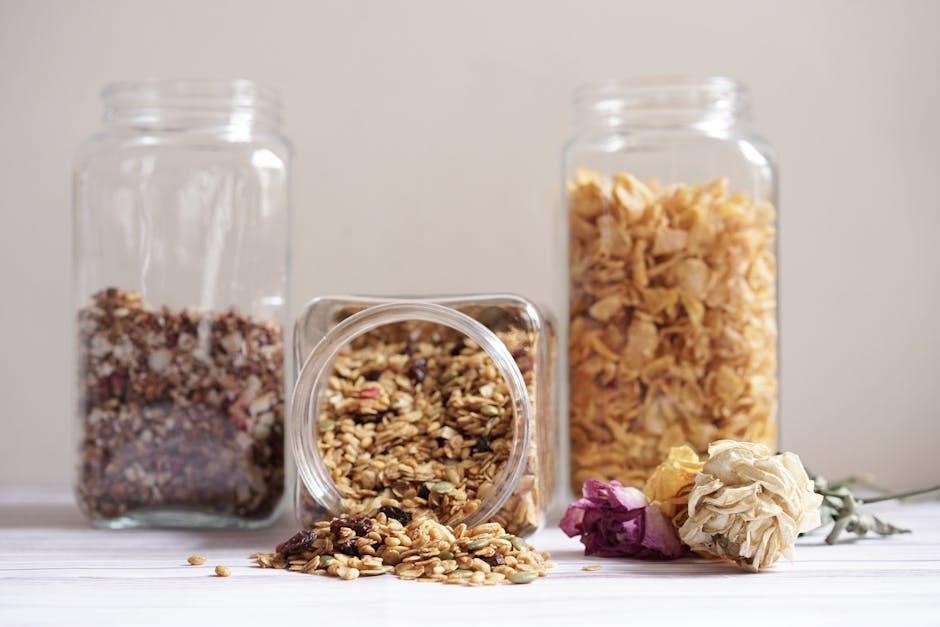
Creating Your High Fiber Diet Plan
Gradual increases – adding 5-10 grams weekly – are crucial, alongside ample hydration (8-10 glasses daily), to avoid digestive upset and maximize benefits․
Gradual Increase in Fiber Intake
Abruptly increasing your fiber consumption can lead to uncomfortable side effects like bloating, gas, and even cramping․ The digestive system needs time to adjust to the increased workload․ Therefore, a slow and steady approach is paramount for success and comfort․

Start by adding just 5 to 10 grams of fiber to your daily intake each week․ This allows your gut bacteria to adapt and efficiently process the increased fiber․ Pay close attention to how your body responds, and adjust the pace accordingly․
Listen to your body; if you experience discomfort, slow down the increase or temporarily reduce your intake․ Remember, consistency is key, but so is comfort․ Prioritizing a gentle transition will make it more likely you’ll stick with a high-fiber diet long-term, reaping all its health benefits;
Hydration is Key: Water Intake Guidelines
Fiber absorbs water, and adequate hydration is absolutely crucial when increasing your fiber intake․ Without sufficient fluids, fiber can actually contribute to constipation, defeating its intended purpose․ Think of water as the lubricant that helps fiber move smoothly through your digestive system․
Aim for at least 8 to 10 glasses of water daily, and even more if you are physically active or live in a warm climate․ Don’t wait until you feel thirsty to drink; sip water throughout the day to maintain consistent hydration․
Consider carrying a reusable water bottle as a visual reminder to drink regularly․ Prioritizing hydration alongside increased fiber intake will maximize digestive comfort and ensure you experience the full benefits of a fiber-rich diet․

High Fiber Food Choices
Prioritize whole, unprocessed foods like fruits, vegetables, whole grains, and legumes to naturally boost your fiber intake for optimal health benefits․
Best Fruits for Fiber Intake
When focusing on a high-fiber diet, fruits offer a delicious and accessible way to increase your daily intake․ Berries, particularly raspberries and blackberries, are exceptional choices, boasting around 8 grams of fiber per cup․ Apples, with the skin on, provide a good source, delivering approximately 4-5 grams․ Pears are similarly beneficial, offering around 5-6 grams of fiber each․
Dried fruits, like prunes (Kirkland Signature are a dietitian’s favorite!), can also contribute significantly, though portion control is important due to their concentrated sugar content․ Bananas, while not as fiber-dense as berries, still offer a respectable amount, especially when slightly green․ Incorporating a variety of these fruits into your meals and snacks will help you reach your fiber goals and enjoy a naturally sweet and satisfying diet․
Vegetables Packed with Fiber
To maximize fiber intake through vegetables, prioritize those with edible skins and seeds․ Artichokes stand out as a fiber superstar, providing an impressive 10 grams per medium-sized vegetable․ Broccoli, Brussels sprouts, and other cruciferous vegetables are also excellent sources, offering around 5-6 grams of fiber per cup․ Leafy greens, like spinach and kale, contribute meaningfully, though in slightly smaller amounts․
Root vegetables, such as sweet potatoes (with the skin), and carrots also provide a good fiber boost․ Don’t underestimate the power of peas and beans – technically legumes, they often function as vegetables in meals and are fiber-rich․ A colorful plate filled with a variety of these vegetables is a fantastic strategy for a high-fiber diet․
Whole Grains: Fiber Powerhouses
Embracing whole grains is crucial for a high-fiber diet, significantly surpassing the fiber content of refined grains․ Steel-cut oats are a phenomenal choice, delivering a substantial amount of fiber per serving, promoting sustained energy and satiety․ Quinoa, a complete protein, also boasts impressive fiber levels, making it a versatile addition to meals․
Brown rice, barley, and whole wheat bread are also excellent options, though fiber content varies․ When selecting bread, always check the label to ensure “whole wheat” is the first ingredient․ Prioritizing whole grains over processed alternatives ensures you’re reaping the full benefits of fiber for digestive health and overall wellbeing, contributing to a balanced diet․
Legumes & Beans: Excellent Fiber Sources
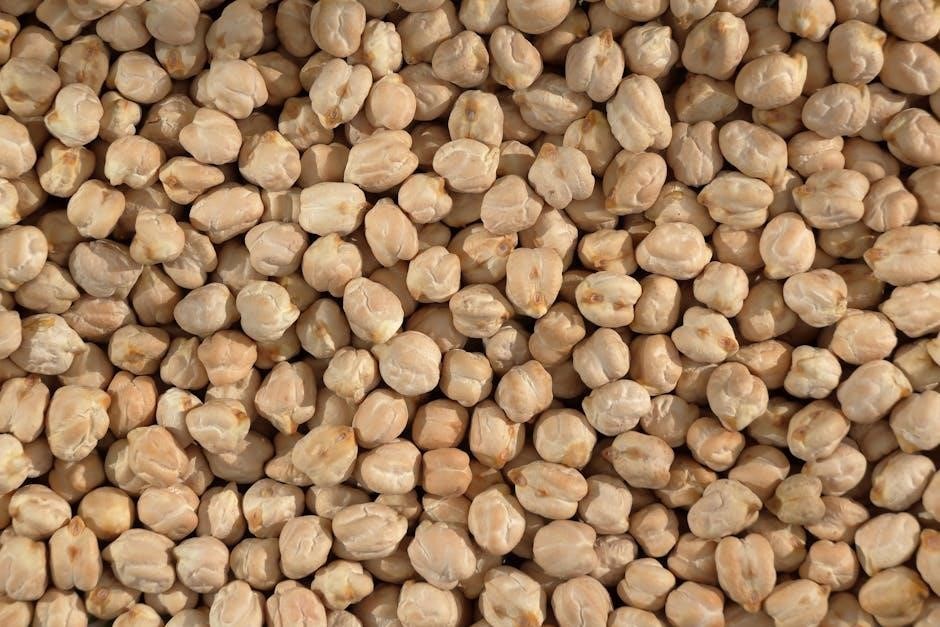
Legumes and beans stand out as exceptional fiber sources, offering a substantial boost to your daily intake․ Kidney beans, black beans, lentils, and chickpeas are nutritional powerhouses, packed with both soluble and insoluble fiber․ This combination supports digestive regularity and contributes to feelings of fullness, aiding in weight management․
Incorporating these into your diet is remarkably versatile – from hearty soups and stews to vibrant salads and dips․ Consider adding lentils to pasta sauces or enjoying a black bean burger for a fiber-rich meal․ Dietary fiber from legumes also plays a crucial role in regulating metabolism and blood sugar levels, promoting overall health․
Sample High Fiber Meal Plan (PDF Focus)
A well-structured plan, often best presented as a PDF, prioritizes fiber at each meal, utilizing fruits, vegetables, whole grains, and legumes effectively․
Breakfast Ideas (High Fiber)
Starting your day with a fiber-rich breakfast sets a positive tone for digestive health and sustained energy․ Steel-cut oats are an excellent choice, providing a substantial fiber boost – aim for ½ cup dry, yielding around 4 grams of fiber․ Enhance them with berries, like a frozen blend from Costco, adding both fiber and antioxidants․
Consider overnight oats prepared with chia seeds; these tiny seeds pack a significant fiber punch, swelling in liquid to create a creamy texture․ A serving of whole-grain toast topped with avocado also delivers a good dose of fiber and healthy fats․
For a quick option, a high-fiber cereal (check the label for at least 5 grams per serving) paired with plant-based milk and a handful of dried plums, another Costco favorite, is convenient and nutritious․ Remember to drink plenty of water alongside your breakfast to aid fiber digestion and prevent discomfort․
Lunch Ideas (High Fiber)
A fiber-focused lunch keeps you feeling full and energized throughout the afternoon, preventing those mid-day energy crashes and unhealthy snack cravings․ Large salads are a fantastic base, incorporating plenty of fiber-rich vegetables and a protein source like beans or lentils – excellent fiber sources themselves!
Whole-grain wraps filled with hummus, vegetables, and lean protein offer a convenient and portable option․ Soups, particularly lentil or bean-based varieties, are incredibly filling and deliver a substantial fiber hit․
Leftovers from a fiber-rich dinner are also a great choice․ Remember to pair your lunch with a piece of fruit, like an apple or pear (with the skin on!), to further increase your fiber intake․ Prioritize whole foods over processed options for maximum benefit and sustained satiety․
Dinner Ideas (High Fiber)
Dinner is an excellent opportunity to load up on fiber, setting you up for a comfortable night’s sleep and continued digestive health․ Consider incorporating legumes – beans, lentils, and chickpeas – into your meals; they are fiber powerhouses! A hearty vegetable stir-fry with brown rice provides a balanced and fiber-rich meal․
Baked sweet potatoes, topped with black beans and salsa, are both delicious and incredibly nutritious․ Salmon paired with quinoa and steamed broccoli offers a protein-packed, fiber-filled dinner․
Focus on whole, unprocessed foods and generous portions of non-starchy vegetables․ Remember, a gradual increase in fiber is key to avoiding discomfort, so build these meals into your plan progressively․

Potential Side Effects & How to Manage Them
Increasing fiber intake too quickly can cause bloating and gas; start slowly, adding 5-10 grams weekly, and prioritize drinking 8-10 glasses of water daily․
Bloating and Gas: Causes and Solutions
Experiencing bloating and gas is a common initial response when significantly increasing fiber consumption, as your gut microbiome adjusts to the increased workload․
This happens because fiber is fermented by bacteria in the large intestine, producing gas as a byproduct; however, these symptoms are usually temporary and manageable․
The key is a gradual increase – adding only 5-10 grams of fiber to your diet each week allows your digestive system to adapt without overwhelming it․
Crucially, adequate hydration is paramount; drink 8-10 glasses of water daily to help fiber move through your digestive tract efficiently, minimizing fermentation and gas production․
Consider keeping a food diary to identify specific fiber sources that trigger discomfort, and adjust your intake accordingly; sometimes, certain types of fiber are better tolerated than others․
Over-the-counter remedies like simethicone can also provide temporary relief from gas, but addressing the root cause – gradual increase and hydration – is the most effective long-term solution․