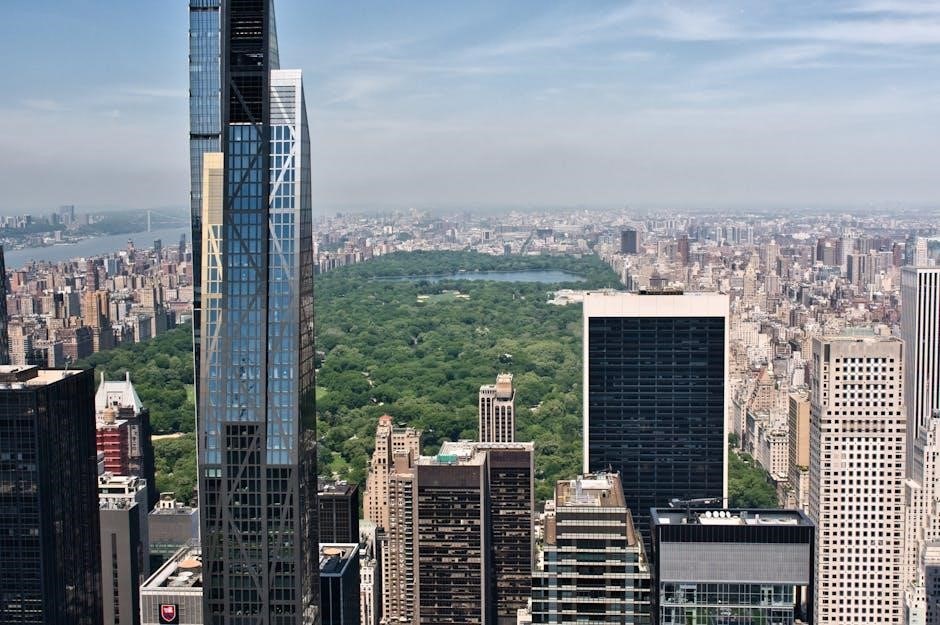
New York City pulsates with creative energy, offering unparalleled inspiration for designers; from architectural marvels to evolving streetscapes, it’s a dynamic canvas.
A Designer’s Perspective on the City
For designers, New York isn’t just a location; it’s a constant source of stimulation. The city’s layered history is visibly etched into its architecture, presenting a unique study in evolving styles – from the intricate details of Art Deco facades to the sleek lines of contemporary skyscrapers. Observing the recent initiatives to redesign sidewalk sheds, aiming for safety, equality, and aesthetics, demonstrates the city’s commitment to thoughtful design.
The urban fabric itself encourages exploration and observation. Each neighborhood possesses a distinct character, influencing design sensibilities. The constant flux of trends, coupled with the city’s dedication to public space improvement and adaptive reuse projects, provides a fertile ground for innovation. It’s a place where functionality meets artistry, and where designers can truly immerse themselves in a living, breathing design laboratory.
Why New York is a Design Hub
New York City’s status as a global design hub stems from a confluence of factors. A rich history of architectural innovation, exemplified by landmarks like the Chrysler Building and the Seagram Building, provides a strong foundation. The presence of leading institutions like The Cooper Hewitt, Smithsonian Design Museum and the New York School of Interior Design fosters education and research.
Furthermore, the city attracts a diverse pool of talent, creating a vibrant creative ecosystem. Organizations like AIGA New York Chapter facilitate networking and professional development. The Department of Buildings’ focus on improving public infrastructure, such as sidewalk sheds, showcases a commitment to design excellence. This concentration of resources, combined with a culture that embraces innovation, solidifies New York’s position at the forefront of the design world.

Neighborhoods & Design Inspiration
Explore diverse NYC neighborhoods – Greenwich Village’s charm, SoHo’s galleries, Tribeca’s chicness, Chelsea’s art, and Brooklyn’s emerging trends, each offering unique design perspectives.
Greenwich Village: Historic Charm & Bohemian Style
Greenwich Village embodies a captivating blend of historic architecture and a distinctly bohemian spirit, making it a prime destination for designers seeking inspiration. Wander through its winding, tree-lined streets, admiring the brownstone facades and pre-war buildings that whisper tales of artistic legacies.
The neighborhood’s intimate scale and human-centered design offer a refreshing contrast to Manhattan’s towering skyscrapers. Explore Washington Square Park, a vibrant hub for street performers and artists, absorbing the energy and creative expression. Discover independent boutiques showcasing handcrafted goods and vintage treasures, reflecting a commitment to individuality and unique aesthetics.
Greenwich Village’s design influence extends to its interior spaces, often characterized by cozy, eclectic arrangements and a focus on comfort. The area’s rich history as a haven for writers, musicians, and artists continues to shape its aesthetic, fostering a sense of creativity and unconventional beauty. It’s a place where design feels personal, authentic, and deeply rooted in community.
SoHo: Cast-Iron Architecture & Contemporary Galleries
SoHo (South of Houston Street) presents a striking visual landscape defined by its iconic cast-iron architecture, a testament to 19th-century industrial design. These ornate facades, with their intricate detailing and large windows, offer a unique backdrop for contemporary design exploration;
Beyond the architecture, SoHo is renowned for its concentration of contemporary art galleries, showcasing cutting-edge works from established and emerging artists. These galleries provide a constant source of inspiration, exposing designers to new perspectives and innovative aesthetics. The neighborhood’s grid-like street plan and spacious lofts, once industrial spaces, have been transformed into stylish residences and design studios.
SoHo’s design ethos blends historical preservation with modern sensibilities. The area’s boutiques and showrooms feature a curated selection of furniture, fashion, and art objects, reflecting a sophisticated and minimalist aesthetic. It’s a district where the past and present converge, creating a dynamic and visually stimulating environment for designers.
Tribeca: Industrial Chic & Luxury Design
Tribeca (Triangle Below Canal Street) embodies a sophisticated blend of industrial heritage and upscale luxury, offering a distinct design aesthetic. Originally a warehouse district, Tribeca’s converted lofts and cobblestone streets retain a raw, industrial charm, now infused with high-end finishes and contemporary design elements.
The neighborhood’s architecture showcases exposed brick, high ceilings, and large windows, providing a canvas for minimalist and modern interiors. Tribeca attracts a discerning clientele, resulting in a concentration of luxury boutiques, art galleries, and design showrooms. These establishments feature exclusive furniture, lighting, and art pieces, reflecting a refined and curated taste.
Tribeca’s design scene emphasizes quality craftsmanship and timeless elegance. The area’s residential buildings often incorporate sustainable materials and innovative technologies, demonstrating a commitment to both style and functionality. It’s a neighborhood where industrial grit meets refined luxury, inspiring designers to create spaces that are both visually striking and exceptionally comfortable.
Chelsea: Art Galleries & Modern Architecture
Chelsea is a vibrant hub for both contemporary art and striking modern architecture, making it a crucial destination for designers seeking inspiration. The neighborhood is renowned for its high concentration of art galleries, showcasing a diverse range of artistic styles and movements. These galleries often occupy renovated industrial spaces, creating a compelling juxtaposition of art and architecture.
Beyond the art scene, Chelsea boasts a growing collection of modern buildings, characterized by sleek lines, glass facades, and innovative structural designs. The High Line, an elevated park built on former railway lines, exemplifies this modern aesthetic, offering unique perspectives and green spaces within the urban landscape.
Chelsea’s design ethos emphasizes creativity, experimentation, and a forward-thinking approach. The neighborhood’s dynamic energy and artistic atmosphere inspire designers to push boundaries and explore new possibilities. It’s a place where art and architecture converge, fostering a culture of innovation and visual expression.
Midtown: Iconic Landmarks & Streamlined Design
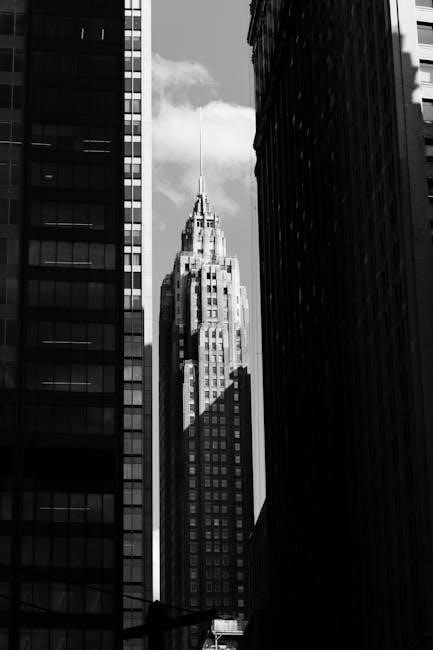
Midtown Manhattan presents a fascinating study in streamlined design set against a backdrop of iconic landmarks. The area showcases a blend of historical grandeur and modern efficiency, offering designers a unique perspective on urban aesthetics. Towering skyscrapers, like the Chrysler Building and Empire State Building – exemplars of Art Deco – dominate the skyline, demonstrating masterful craftsmanship and timeless elegance.
However, Midtown isn’t solely defined by its past. Modern structures exhibit a focus on functionality and sleek minimalism, often utilizing glass and steel to create a sense of openness and sophistication. The district’s grid layout and organized streetscape contribute to a feeling of order and accessibility.
For designers, Midtown provides a compelling contrast between ornate historical details and the clean lines of contemporary architecture, inspiring innovative approaches to spatial planning and visual communication.
Brooklyn (Williamsburg/DUMBO): Emerging Trends & Waterfront Views

Williamsburg and DUMBO in Brooklyn represent a vibrant hub of emerging design trends and offer stunning waterfront views, attracting a diverse creative community. Once industrial areas, these neighborhoods have undergone significant adaptive reuse, transforming warehouses into loft spaces, galleries, and innovative studios.
The design aesthetic here leans towards a blend of industrial chic, contemporary art, and sustainable practices. Expect to find exposed brick, reclaimed materials, and a focus on open, flexible spaces. DUMBO’s cobblestone streets and Manhattan Bridge views provide a picturesque backdrop for design inspiration, while Williamsburg’s street art and independent boutiques showcase a more edgy, experimental style.
These neighborhoods are ideal for designers seeking a dynamic, collaborative environment and a departure from Manhattan’s more established aesthetic.
Key Design Resources in NYC
NYC boasts world-class museums like Cooper Hewitt and MoMA, plus NYSID and AIGA New York, providing designers with invaluable resources and networking opportunities.
The Cooper Hewitt, Smithsonian Design Museum
The Cooper Hewitt, a Smithsonian Design Museum, stands as a crucial destination for any designer visiting New York City. Located in a stunning Andrew Carnegie mansion, the museum’s collection spans historical and contemporary design, encompassing a vast array of disciplines – graphic design, product design, textiles, and more. It’s not merely a display of finished objects, but an exploration of the design process itself.
Visitors can delve into design drawings, models, and prototypes, gaining insight into the creative thinking behind iconic works. The museum frequently hosts exhibitions that examine the social and cultural impact of design, prompting critical reflection. Interactive exhibits, like the Immersion Room, allow for a unique engagement with design patterns and materials. Beyond the collections, the Cooper Hewitt offers educational programs, workshops, and a robust research library, making it an invaluable resource for professional designers and students alike. It’s a place to be inspired, informed, and connected to the broader design community.
The Museum of Modern Art (MoMA) ⸺ Architecture & Design
MoMA’s Architecture & Design collection is a cornerstone for designers seeking to understand the evolution of modern and contemporary aesthetics. Housing a globally renowned selection of architectural drawings, models, furniture, and industrial design objects, it provides a comprehensive overview of the field’s key movements and innovators. From Bauhaus principles to the sleek lines of mid-century modernism, MoMA showcases the defining moments that shaped the built environment.
The museum doesn’t just present finished products; it contextualizes them within their historical and social frameworks. Expect to encounter works by iconic figures like Frank Lloyd Wright, Le Corbusier, and Dieter Rams, alongside emerging talents. Temporary exhibitions often focus on specific themes or designers, offering fresh perspectives. Beyond the galleries, MoMA’s design store is a treasure trove of inspiration, featuring innovative products and books. It’s a vital destination for designers looking to refine their understanding of form, function, and the power of design.
The New York School of Interior Design (NYSID)
NYSID stands as a premier institution for aspiring and established interior designers, offering a rich academic environment and a strong connection to the New York City design community. Founded in 1916, it boasts a legacy of shaping industry leaders and fostering innovation. The school provides a range of programs, from undergraduate degrees to specialized graduate studies, covering residential, commercial, and healthcare design.
Beyond coursework, NYSID actively engages with the professional world through lectures, workshops, and networking events. Its location in Manhattan provides students with unparalleled access to design resources, showrooms, and industry professionals. The school’s library is a valuable resource, housing extensive collections of materials and archives. Visiting designers can explore NYSID’s public exhibitions and events, gaining insights into current trends and student work. It’s a hub for design discourse and a valuable resource for anyone seeking to deepen their knowledge of the field.
AIGA New York Chapter ⎼ Events & Networking
AIGA New York, the local chapter of the professional association for design, serves as a vital hub for designers in the city. It offers a robust calendar of events, including lectures, workshops, design critiques, and networking opportunities. These events cover a broad spectrum of design disciplines, from graphic and visual communication to user experience and branding.
Membership provides access to exclusive resources, professional development programs, and a supportive community of peers. AIGA New York actively promotes design thinking and advocates for the value of design in all aspects of life. Attending their events is an excellent way for visiting designers to connect with local talent, learn about current industry trends, and gain valuable insights into the New York design scene. The chapter frequently collaborates with other organizations, expanding its reach and impact within the city’s creative landscape.
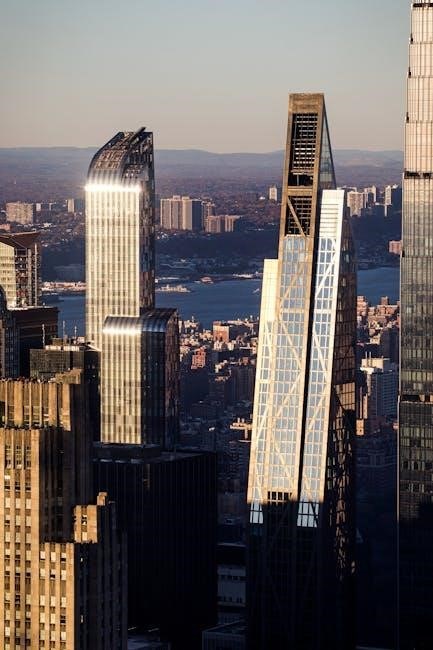
Architectural Landmarks & Design Movements
NYC’s skyline showcases iconic styles – Art Deco’s grandeur, Mid-Century Modern’s sleekness, and contemporary skyscrapers – reflecting design evolution and innovation.
Art Deco in New York: Chrysler Building & Empire State Building
The Art Deco movement dramatically shaped New York City’s skyline in the late 1920s and 1930s, leaving behind enduring symbols of ambition and stylistic innovation. The Chrysler Building, completed in 1930, exemplifies this era with its terraced form, radiant crown, and intricate ornamentation inspired by automotive design – a nod to the burgeoning automobile industry.
Its stainless steel cladding and eagle gargoyles are instantly recognizable. Similarly, the Empire State Building, finished in 1931, showcases Art Deco’s streamlined aesthetic, though with a more restrained elegance. Both structures demonstrate the movement’s fascination with geometric patterns, luxurious materials, and a sense of upward momentum.
For designers, studying these landmarks offers valuable insights into proportion, detailing, and the effective use of ornamentation. They represent a pivotal moment in architectural history, blending artistry with engineering prowess, and continue to inspire contemporary design approaches.
Mid-Century Modern Influences: Lever House & Seagram Building
The post-war era brought a new architectural language to New York City, embodied by the principles of Mid-Century Modernism. Lever House (1952), with its curtain wall of glass and steel, revolutionized skyscraper design, prioritizing transparency and a sleek, minimalist aesthetic. Its open-plan offices and emphasis on functionality signaled a departure from earlier, more ornate styles.
The Seagram Building (1958), designed by Ludwig Mies van der Rohe and Philip Johnson, further refined this approach. Its bronze and glass facade, coupled with a generous plaza, created a sense of civic grandeur and understated elegance. Both buildings championed the “International Style,” emphasizing universal design principles and rejecting regional ornamentation.
For designers, these structures offer lessons in spatial clarity, material honesty, and the power of simplicity; They represent a pivotal shift towards functionalism and continue to influence contemporary architectural and interior design practices.
Contemporary Skyscrapers: One World Trade Center & Hudson Yards
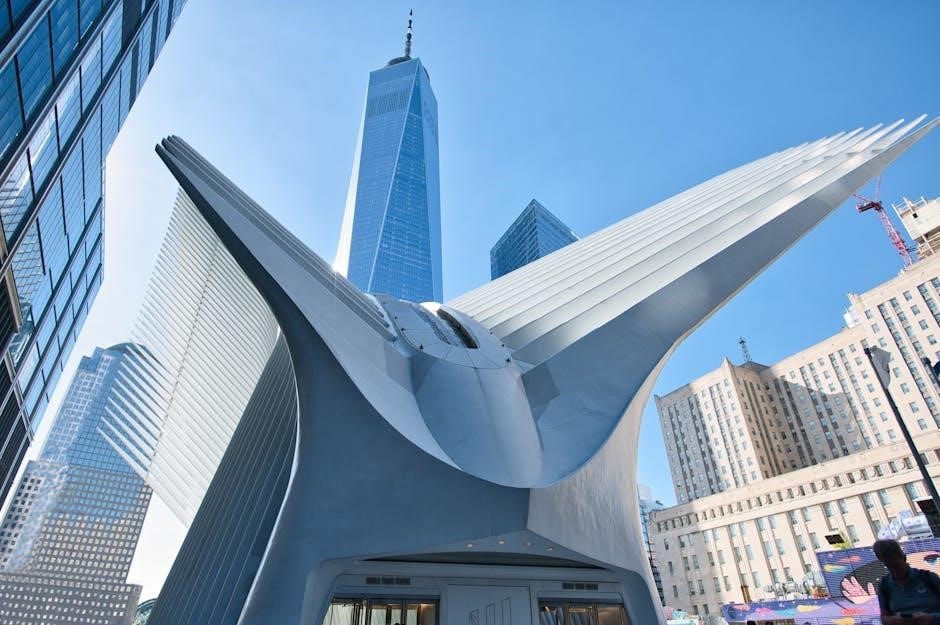
New York City’s skyline continues to evolve with ambitious contemporary skyscrapers, showcasing innovative engineering and design. One World Trade Center (2014), rising from the site of the former Twin Towers, symbolizes resilience and renewal. Its sleek, crystalline form, designed by David Childs, embodies a modern aesthetic while acknowledging the site’s historical significance.
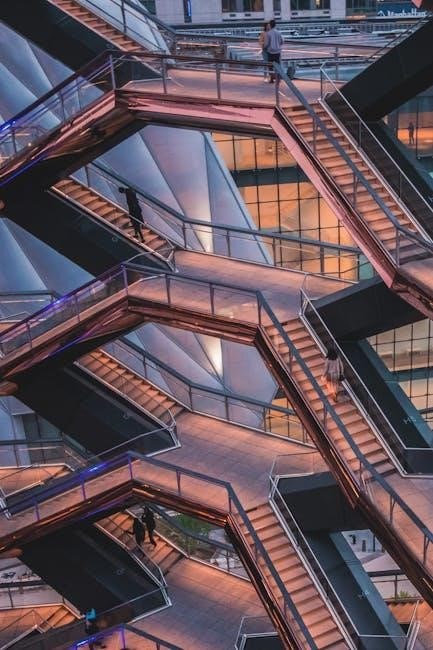
Hudson Yards, a massive redevelopment project on Manhattan’s West Side, presents a different approach. Featuring the Vessel, a striking honeycomb-like structure, and numerous high-rise buildings, it’s a testament to large-scale urban planning and contemporary architectural trends. The complex incorporates public spaces and retail areas, aiming to create a vibrant, mixed-use destination;
These projects demonstrate a commitment to sustainability, technological advancement, and creating iconic landmarks. Designers can draw inspiration from their bold forms, innovative materials, and integration with the urban fabric.
The Evolution of Sidewalk Shed Design
New York City’s ubiquitous sidewalk sheds, traditionally utilitarian structures, are undergoing a fascinating design evolution; Historically, these temporary canopies prioritized safety during construction or facade repairs, often appearing as drab, obstructive barriers. However, recent initiatives, spearheaded by the Department of Buildings and studios like PAU and Arup, are reimagining their potential.
The goal is to transform these sheds into safer, more egalitarian, and even beautiful urban elements. New designs incorporate improved lighting, weather protection, and accessibility features. There’s a focus on transparency, allowing for better visibility and reducing the feeling of enclosure. Some proposals explore integrating public art or green spaces into the shed structures.
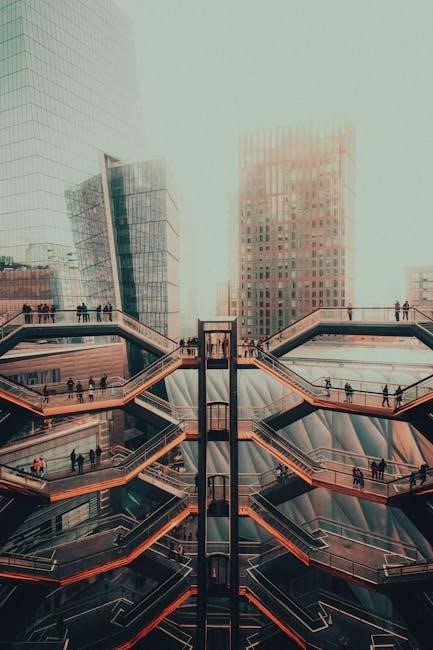
This shift reflects a broader trend towards prioritizing pedestrian experience and enhancing the quality of the urban environment. Designers can observe these evolving structures as examples of practical, responsive design solutions.
Practical Guide for Visiting Designers
Navigating NYC requires embracing the subway, buses, and walking; explore designer-friendly hotels in vibrant neighborhoods, and utilize co-working spaces for focused productivity.
Transportation: Navigating the City (Subway, Buses, Walking)
New York City’s transportation system is extensive, making exploration remarkably accessible for designers. The subway is the quickest and most efficient way to traverse the boroughs, offering 24/7 service on many lines. Invest in a MetroCard for easy fare payment, and download a subway map app for seamless navigation.
Buses complement the subway, reaching areas not directly served by trains. However, be mindful of traffic congestion, which can significantly impact travel times. Walking is arguably the best way to truly experience the city’s design details – from architectural facades to street art.
Wear comfortable shoes, as distances can be considerable! Consider utilizing ride-sharing services or taxis for longer journeys, but anticipate potential surge pricing during peak hours. Embrace the city’s walkability; you’ll discover hidden gems and design inspiration around every corner. Plan your routes strategically, combining subway, bus, and foot travel for optimal efficiency.
Accommodation: Designer-Friendly Hotels & Neighborhoods
Selecting the right neighborhood and hotel is crucial for a productive and inspiring stay in New York City. For a central location with easy access to design resources, consider Midtown or Chelsea. These areas offer a range of hotels, from boutique options to larger chains, often with modern amenities and stylish décor.
SoHo and Tribeca provide a more artistic and upscale vibe, with loft-style accommodations and proximity to galleries. Brooklyn, particularly Williamsburg and DUMBO, offers trendy hotels and a vibrant, creative atmosphere, alongside stunning waterfront views.
Look for hotels that prioritize design, offering workspaces, natural light, and curated aesthetics. Airbnb can also be a viable option, providing unique and locally-immersed experiences. Prioritize proximity to subway lines for convenient city-wide exploration. Research hotel amenities to ensure they cater to your specific needs as a designer, such as reliable Wi-Fi and comfortable workspaces.
Co-working Spaces for Designers
New York City boasts a thriving network of co-working spaces, ideal for designers seeking community, collaboration, and a professional work environment. These spaces offer a welcome alternative to traditional offices or working from cafes, providing essential amenities and networking opportunities.
WeWork has numerous locations throughout the city, offering diverse workspace options and a strong sense of community. The Wing (focused on women) provides a beautifully designed and empowering environment. For more specialized options, explore spaces catering specifically to creatives, like NeueHouse or Industrious.
Consider factors like location, cost, available amenities (printing, conference rooms, high-speed internet), and the overall vibe when choosing a co-working space. Many offer day passes or short-term memberships, allowing you to test different spaces before committing. Networking events and workshops hosted within these spaces can further enhance your professional development and connections within the NYC design scene.
Networking Events & Workshops
New York City is a hub for design-focused events and workshops, providing invaluable opportunities to connect with peers, learn new skills, and stay abreast of industry trends. AIGA New York Chapter consistently hosts lectures, panel discussions, and workshops covering a wide range of design disciplines.
Eventbrite and Meetup are excellent resources for discovering smaller, specialized workshops and networking mixers. Look for events organized by design schools like the New York School of Interior Design (NYSID) or Parsons School of Design, often open to the public. Industry conferences, such as those focused on architecture or UX/UI design, also take place regularly.
Don’t underestimate the power of informal networking – attend gallery openings, design fairs, and studio tours. Actively participate in online design communities and forums. Building relationships is crucial in NYC’s competitive design landscape, and these events provide the perfect platform to do so.

Design Trends Currently Shaping NYC
NYC design increasingly prioritizes sustainability, adaptive reuse of industrial spaces, innovative public space design, and seamless technology integration for urban living.
Sustainable Design & Green Building Practices
New York City is witnessing a significant surge in sustainable design and green building practices, driven by both city initiatives and growing environmental awareness. Designers are increasingly focused on minimizing environmental impact through material selection, energy efficiency, and waste reduction.
The city’s commitment to Local Law 97, aiming for substantial emissions reductions in large buildings, is a major catalyst. This pushes for retrofitting existing structures and demanding higher performance standards for new constructions. Expect to see more projects incorporating green roofs, rainwater harvesting systems, and passive design strategies.
Furthermore, there’s a growing demand for locally sourced, recycled, and renewable materials. Designers are exploring innovative solutions like cross-laminated timber (CLT) and bio-based materials to reduce the carbon footprint of their projects. The focus extends beyond buildings to encompass landscape design, promoting biodiversity and creating resilient urban ecosystems. This trend isn’t just about compliance; it’s about creating a healthier, more sustainable future for the city.
Adaptive Reuse of Industrial Spaces
New York City’s rich industrial past provides a wealth of opportunities for adaptive reuse, a prominent trend shaping its design landscape. Warehouses, factories, and other former industrial buildings are being reimagined as lofts, offices, retail spaces, and cultural hubs, preserving the city’s history while addressing contemporary needs.
This approach often celebrates the original architectural features – exposed brick, high ceilings, large windows, and robust structural elements – integrating them into modern designs. Designers skillfully balance preservation with innovation, creating unique and characterful spaces. The challenge lies in updating infrastructure to meet current standards while respecting the building’s inherent aesthetic.
Neighborhoods like Tribeca, DUMBO, and Gowanus are prime examples, showcasing successful adaptive reuse projects. This practice not only reduces demolition waste and embodied carbon but also contributes to the revitalization of urban areas, fostering a sense of place and community. It’s a testament to New York’s resourceful and forward-thinking design community.
Public Space Design & Urban Planning
New York City’s commitment to vibrant public spaces is evident in its ongoing urban planning initiatives. Designers play a crucial role in shaping these areas, focusing on accessibility, inclusivity, and sustainability. From parks and plazas to pedestrian zones and street furniture, thoughtful design enhances the quality of life for all residents and visitors.
Recent projects prioritize pedestrian safety and comfort, incorporating wider sidewalks, protected bike lanes, and improved crosswalks. Innovative street design, like the proposed improvements to sidewalk sheds, aims to create more egalitarian and aesthetically pleasing urban environments. Public art installations and community gardens further enrich these spaces, fostering a sense of belonging.
Urban planning in New York increasingly emphasizes the integration of green infrastructure, such as green roofs and rain gardens, to mitigate the effects of climate change and improve air quality. Designers are challenged to balance competing demands for space while creating welcoming and functional public realms that reflect the city’s diverse character.
The Integration of Technology in Design
New York City is rapidly embracing technology to enhance design across various disciplines. From Building Information Modeling (BIM) in architecture to digital fabrication and parametric design, designers are leveraging cutting-edge tools to create innovative and efficient solutions. Smart city initiatives are also driving the integration of technology into public spaces, with sensors and data analytics informing urban planning decisions.
Interactive installations and augmented reality experiences are becoming increasingly common, offering new ways for people to engage with the built environment. Designers are exploring the potential of virtual reality to visualize projects and collaborate remotely. The use of digital platforms for community engagement allows for greater public input in the design process.
Furthermore, technology plays a vital role in sustainable design, enabling designers to optimize building performance and reduce environmental impact. Data-driven design approaches are helping to create more resilient and adaptable urban systems, ensuring New York City remains a leader in innovation.